 Wildlife
of Sumatra
Sumatra, Java, Bali and Komodo in August 2023: orangutans, Javan langurs and Komodo dragons
Trip report by Royle Safaris · August 2023
Sumatra, Komodo & Java Wildlife
Exploration
Destination: Indonesia Duration: 17 Days Dates: 13th – 29th Aug 2023
Finding and watching a number of different Sumatran Orang-utans in Sumatra
With the help of the guide Imam and his local team finding a great range of wildlife
130 species of birds seen, including Bali Starling & various other endemic species
Spotlighting Javan Small-toothed Civet, Javan Flying Squirrel & many others
Cruising (albeit eventfully) between Flores and Komodo Islands
Exploring some bat caves in both Sumatra & Java and finding 4 species of bat
Trekking through the rugged terrain of various national parks in Sumatra & Java
Enjoying 8 species of primates including Eastern & Western Javan Langurs
Finding 22 species of mammals seen, including Javan Surili & Javan Treeshrew
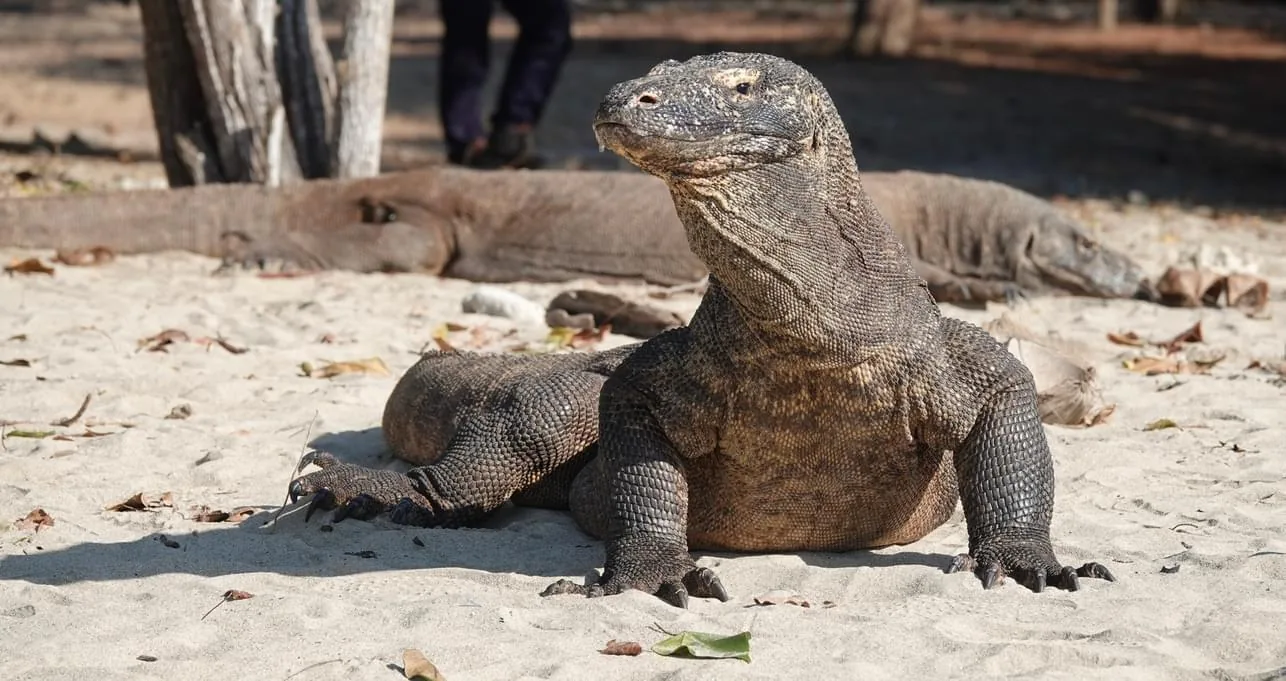
Experiencing many enormous Komodo Dragons on wonderful Komodo Island
Tour Leader / Guides
Overview
Imam (Java & Sumatra Tour Leader) Allin (Komodo, Bali & Flores Tour Leader) Nurlin (Indonesia Logistics Manager) Maxi & Tolak (Komodo Logistics Managers) Denny (Sumatra Driver) Aji & Bayu (Gunung Lueser Local Guides) Handa (Citalahab Local Guide) Asep & Ishak (Cikaniki Local Guides) Participants
Days 1: Jakarta
Days 2-5: Gunung Leuser
Days 6: Bali
Days 7-8: Komodo / Flores
Days 9-10: Bali
Day 11: Jakarta
Days 12-16: West Java
Day 17: Jakarta
Day by Day Breakdown
Overview Indonesia has no fewer than 20,000 islands of which around 6,000 are inhabited; this is a country of diversity in an environmental, biological and cultural sense that is not rivalled anywhere else on the planet. The largest Muslim population in the world yet Christianity is dominate in parts of Sulawesi and the colourful island of Bali is an old Hindu kingdom where the practises of Hinduism have seamlessly blended with other local traditions to form a unique sect of Hinduism. But it is not just religion that is varied here, there are over 300 distinct and recoginsed cultures and over 250 languages. This is a country that includes some of the world’s oldest tribal communities such as the highlands of New Guinea and remote living nomadic sea faring people who very rarely if ever come ashore but along with the incredible diverse human cultures which have led to the country boasting a booming economy and in Jakarta one of Asia’s fastest growing cities. With so much human diversity it is little surprise that the wildlife is also as varied and in many cases endemic to the country and in often to just one of the islands. However what may be a surprise you think of Indonesia’s long and complex history of exploitation; first at the hands of Hindu kingdoms, then Muslims from Arabia followed by the Europeans of Holland, Britain and France as we the race to monopolise the spice industry reached a peak in the 1500’s; that there is any of the wilderness and wildlife left in Indonesia. It is not just manmade problems that have led to a reduction in the forest and wildlife in Indonesia historically, the whole country is sat on 3 tectonic plates and boasts more active volcanoes than any other country in the world. This fact has led to massive volcanic eruptions (such as Krakatoa in 1886, which was so violent it shook the earth off its axis), earthquakes and tsunamis (the most recent devastating one in 2004). These natural disasters lead to loss of habitat and animal life as much as human life and recently this fact is compounded by expansions by Malaysia and China in the booming palm oil business, with millions of hectares of forest being cleared for lucrative palm oil production. So when all is taken into account it is remarkable that there are any truly wild places left, but there are and in some parts these are very well protected and the endangered species they harbour have a fighting chance to survive into the future. This tour aims to take in some of the best wildlife watching destinations and locations that are famous for some of the countries and world’s most iconic and recognisable animals. Using Jakarta as a base we will explore the large and wildlife rich island of Sumatra by visiting the forested hills of the north; as well as flying east to Bali and from there to where the old cartographers labelled their maps ‘Here be Dragons’ of course this is the home of the world’s largest lizard; namely Komodo and Flores. Before finishing off exploring some of the last protected areas of western Java. First we travel north from Jakarta to the last stronghold of the critically endangered Sumatran orang-utan; Gunung Leuser National Park. Home to 9 species of primates including the orange ape and 2 species of gibbon and also populations of some of the world’s rarest and most elusive mammals, Sumatran tigers, Sumatran rhinos and Malayan sun bears. From here we fly via Jakarta and Bali to Flores where we will board our boat and travel to Rinca and then onto Komodo, these are two of the five islands that make up the world heritage site Komodo National Park. They are also home to good populations of Komodo dragons, which are of course the main draw card to any wildlife enthusiast visiting this part of the world. On the way back from Komodo you will explore and relax in Bali before delving into the forests of west Java in search of more endemic primates and other species. All in all this tour has been designed to explore some of the best and more iconic wildlife watching locations in Sumatra, Java and the Sundas. We had to change some of the itinerary relatively late with the current closure to the public of Way Kambas National Park in Sumatra and also Gunung Gede National Park and Java; but we believe we made the best of the situation and saw a good range of wildlife including many endemic mammals, birds, reptiles and amphibians.
Day 1 Jakarta / Angke Kapuk Mangroves Arrival & Wildlife Watching
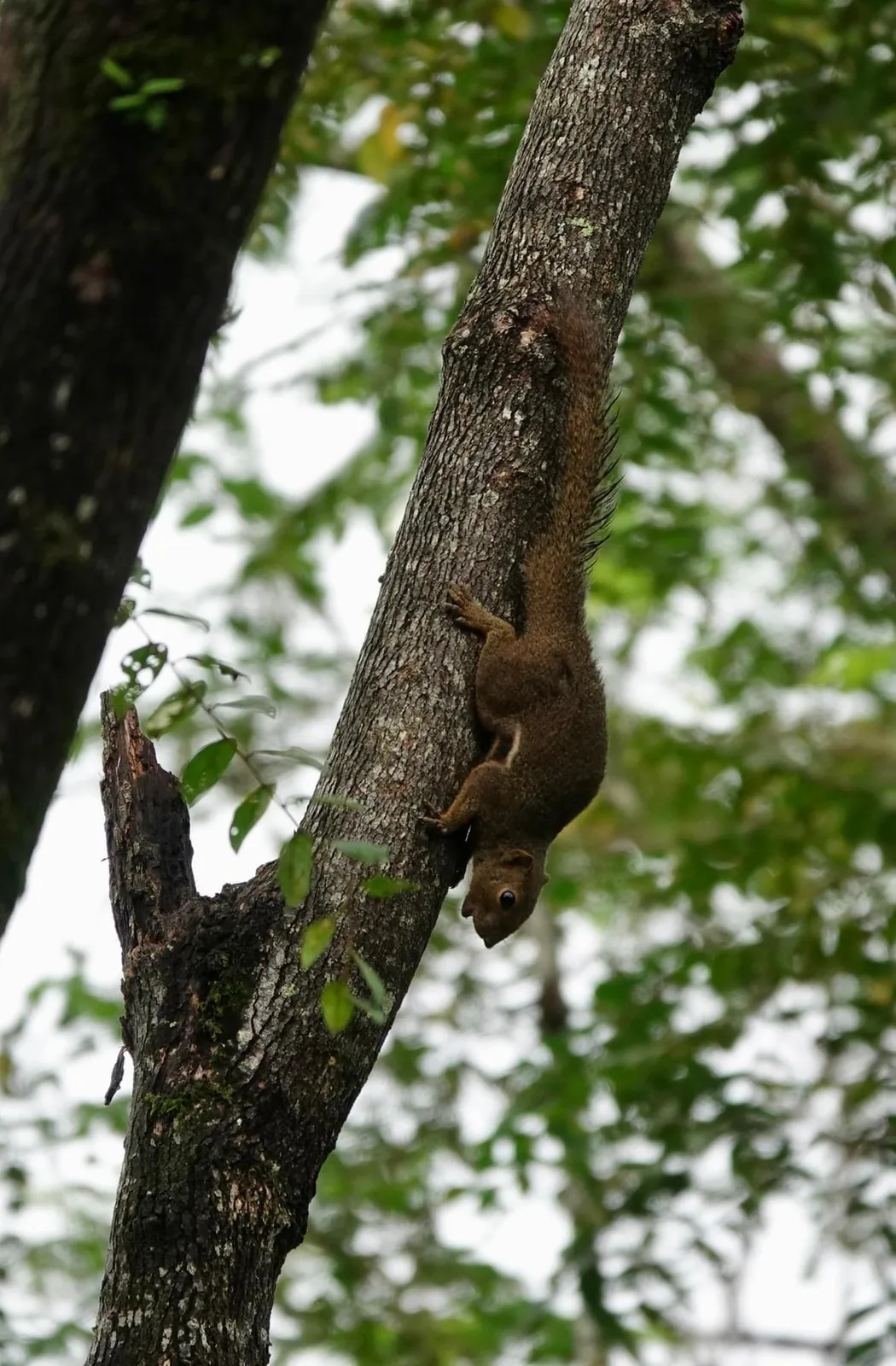
The trip started with Imam collecting Sarah at the airport in almost midnight and driving her early in the morning to SwissBel Hotel for some rest before then returning to the airport to collect Cheryl a few hours later. At 8am and some breakfast Imam took Sarah and Cheryl to Angke Kapuk Mangrove Tourism Park (Taman Wisata Alam Mangrove Angke Kapuk). The area is an alternative place of Muara Angke Wildlife Sanctuary that is now in bad condition with broken trails. The tourism park offered some interesting wildlife, especially for birds. According to the staff, the long-tailed macaque also can be encountered here. However, no sighting occurred during our visit. There is a very good bird watching trail, in respect to the diversity and chance to see the birds and the condition of the trail itself. During about two hours walking, at least 20 birds species seen. Some of the interesting species were three kingfishers: cerulean (or small blue), sacred (Australian), and blue-eared kingfisher. Other noteworthy bird species observed were oriental darter, Sunda teal, and the vulnerable milky stork; which was seen soaring in flock of at least 13 individuals. Of the mammals, two species were observed. The first was one brown looking small rodent observed crawling in the mangrove roots. No picture taken for identification, but it seemed most likely to be Malayan field rat as it is frequently reported being observed in the mangroves along Jakarta Bay. The other one was a plantain squirrel with a good view while it eating on the tree. The only reptile seen was an Asian water monitor. It is common species and encountered them several times. After the tourism park, the trip was supposed to continue to the Ragunan Zoo. Unfortunately, it turns of the zoo is close every Monday so a visit to the place was rearranged for the 23th August. During our lunch at a restaurant close to the zoo, a black rat observed, which was ID’d from pictures taken by Cheryl later was a black rat. After the lunch, we drove back to SwissBel Hotel in the afternoon.
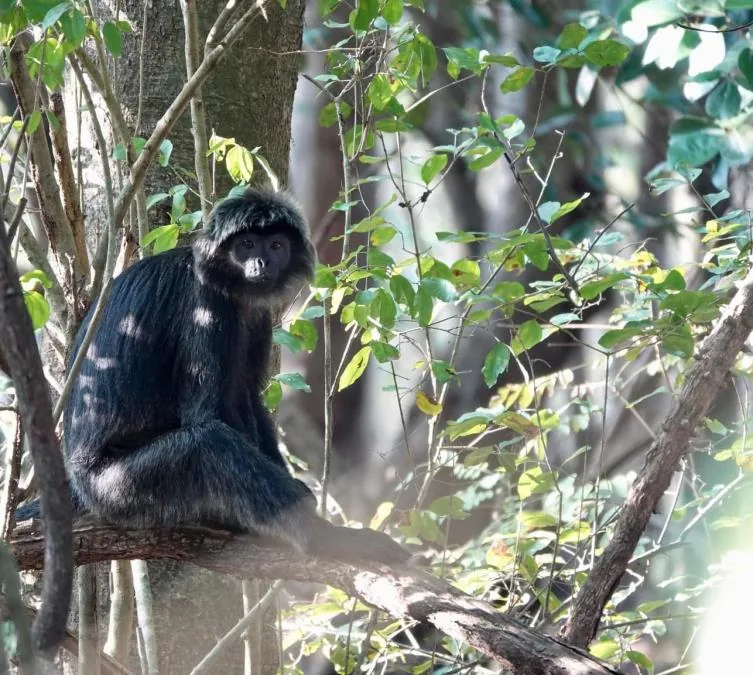
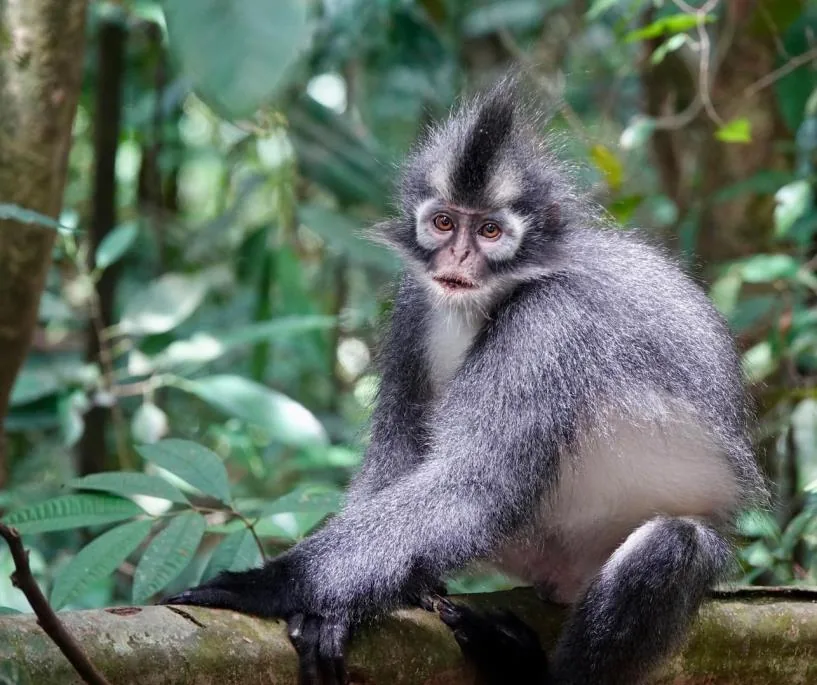
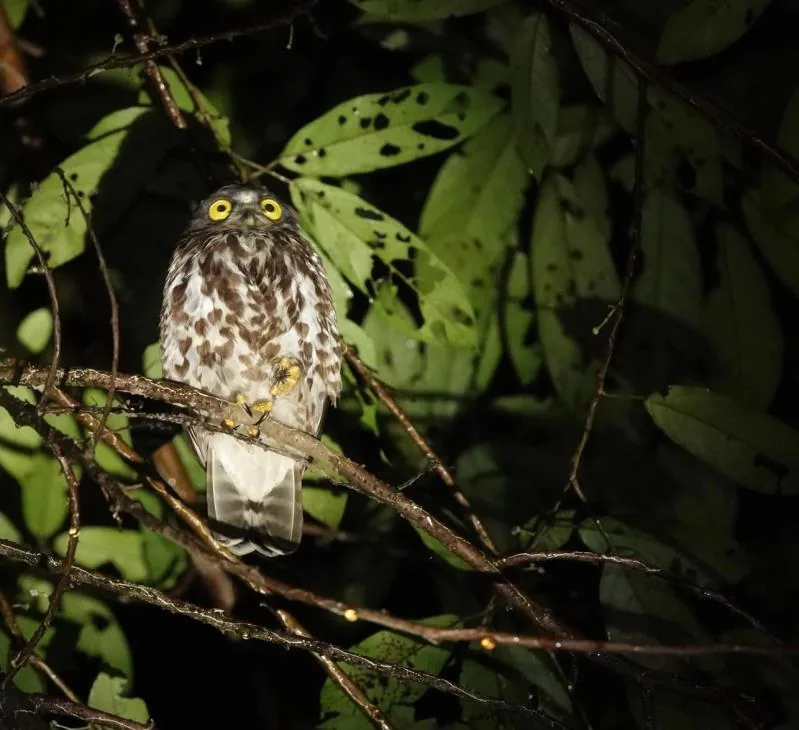
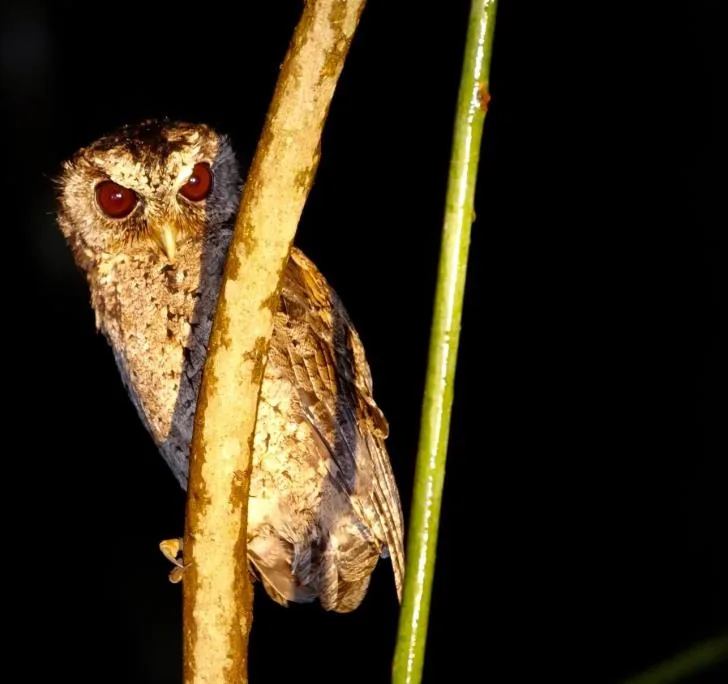
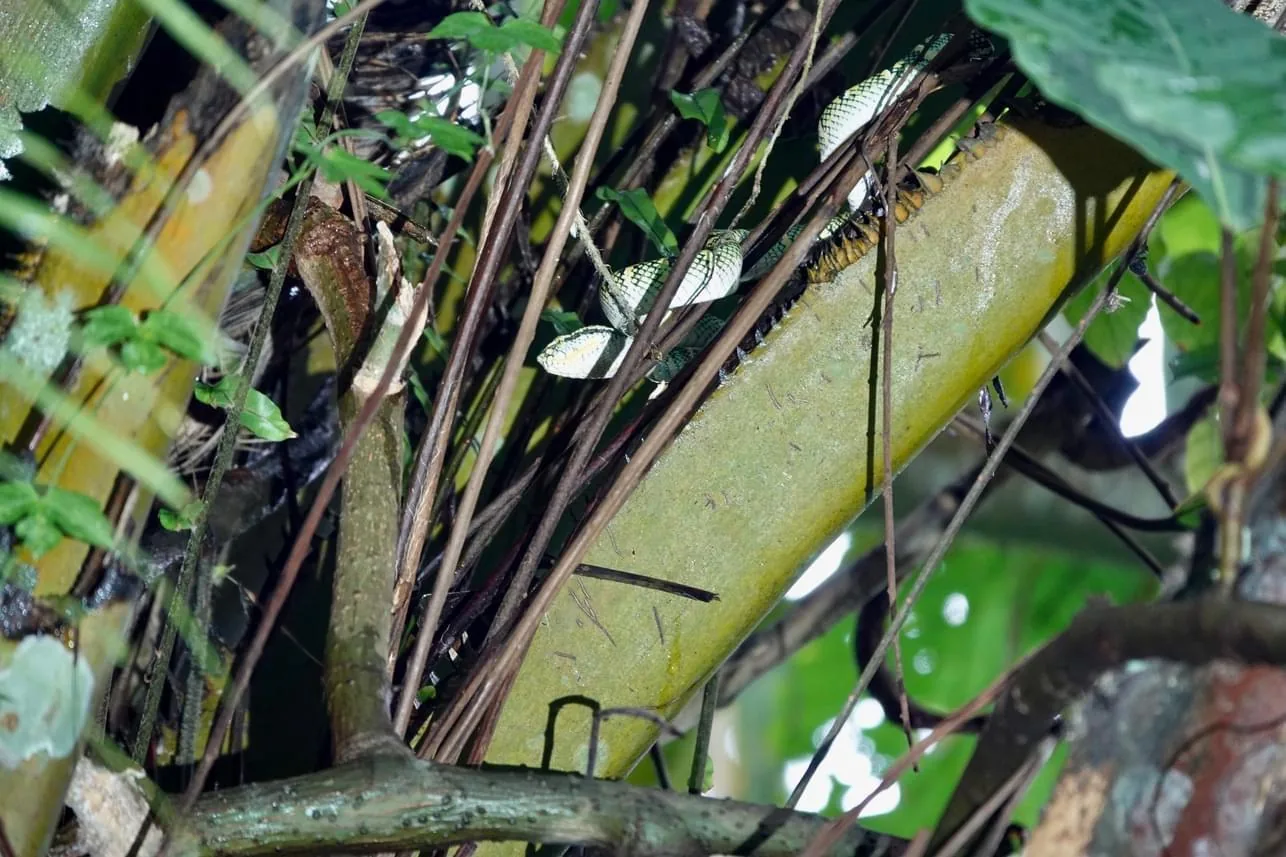
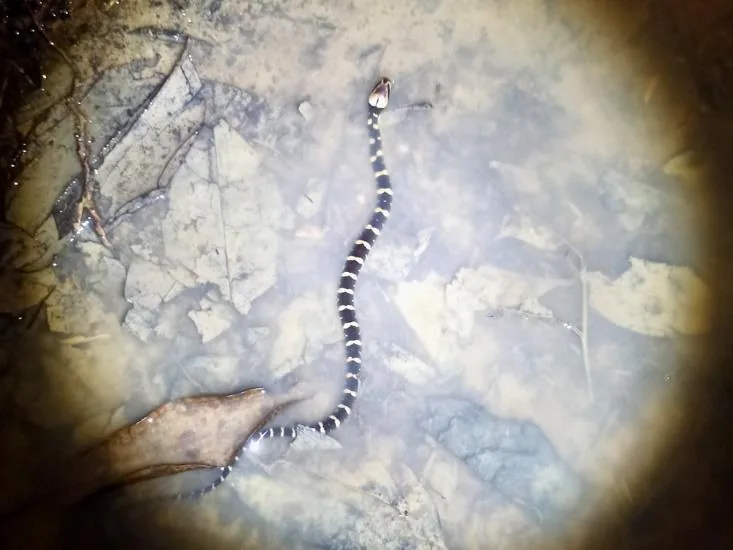
Day 2 Gunung Leuser National Park Travelling & Wildlife Watching This morning the group took a flight from Soekarno Hatta to Kualanamu Airport in the city of Medan in north-east Sumatra. They arrived here at around 12pm and were picked up by Pak Denny and after a four hour drive, they arrived at the Ecolodge in Bukit Lawang. Aji the local guide waited at the ecolodge and after check in he accompanied us with some wildlife watching straight away. The ecolodge has a very good environment as it directly border the forest and also is the entrance of a hiking trail to the Mt. Leuser National Park. Inside the ecolodge’s grounds, a group of Thomas's langur and Silvery lutungs were easily observed. After dinner we planned a night walk, to start at 8pm, but the rain was coming down hard. So we waited for an hour and decided to start the night walk through the continuing (but lighter) drizzle. Aji and his brother Bayu took Cheryl out as Sarah decided not to join because of the rain. By Aji and Bayu’s suggestion, the route choosen was one that headed to their guest house named and to a location where they know at least three spots for the Hiller’s slow loris. A juvenile of puff-headed water snake was seen while we still around the ecolodge’s area. Two other snakes found on our way to Aji’s homestay. The first is unidentified and the other on is a Sumatran pit viper that was sitting high above a palm tree. Some bats were also seen, but gave no chance for being photographed. We had also had several encounters with frogs, but none can be identified except for one photographed well and is harlequin tree frog. Two nocturnal birds were spotted. The first was a brown boobook, which was perched at a tree in close distance and offered a good view. The second was Sunda scops-owl. Two individuals were seen, also in a good and close view, which gave Cheryl opportunity to took some photos. The night walked ended at 1am.
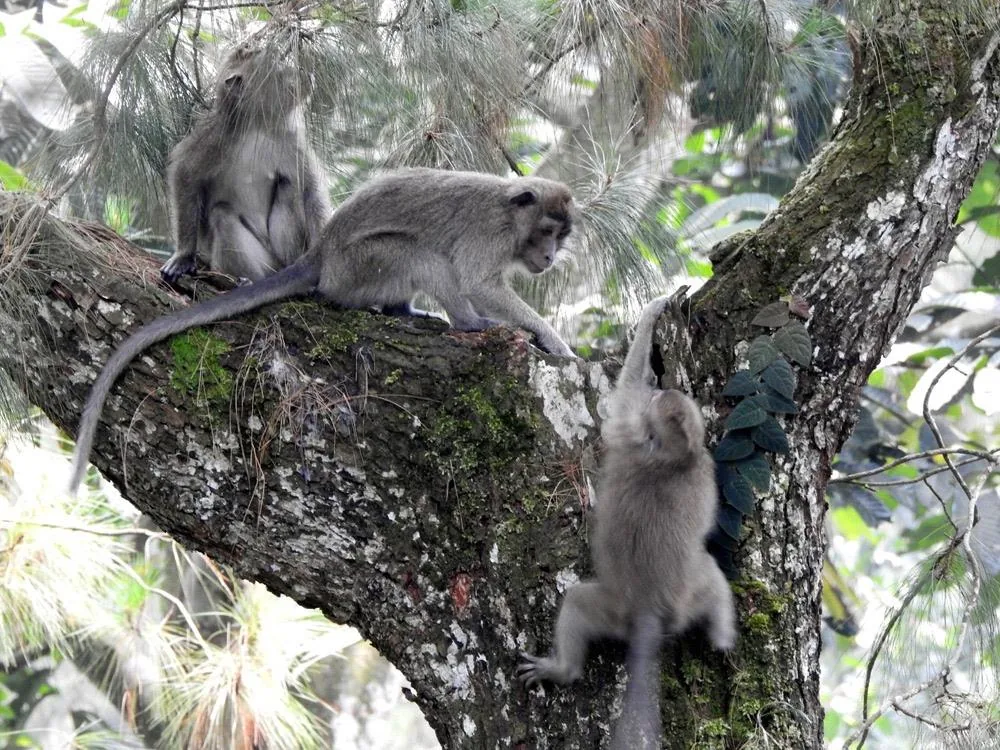
Day 3 Gunung Leuser National Park Wildlife Watching Today would be a day of primate watching, following the forest trail inside the national park for the first time. Long- tailed macaques were seen around the ecolodge’s area, while we waited Aji and Bayu. During hiking up, a group of Thomas's langur and Silvery lutung were also seen.
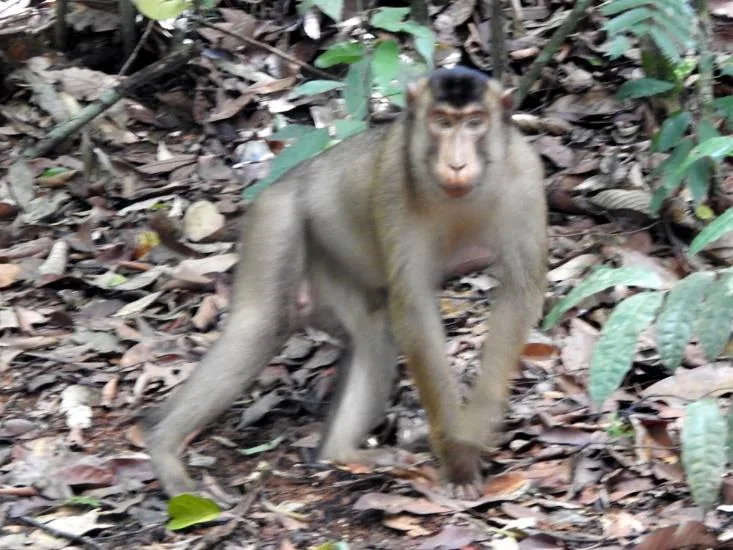
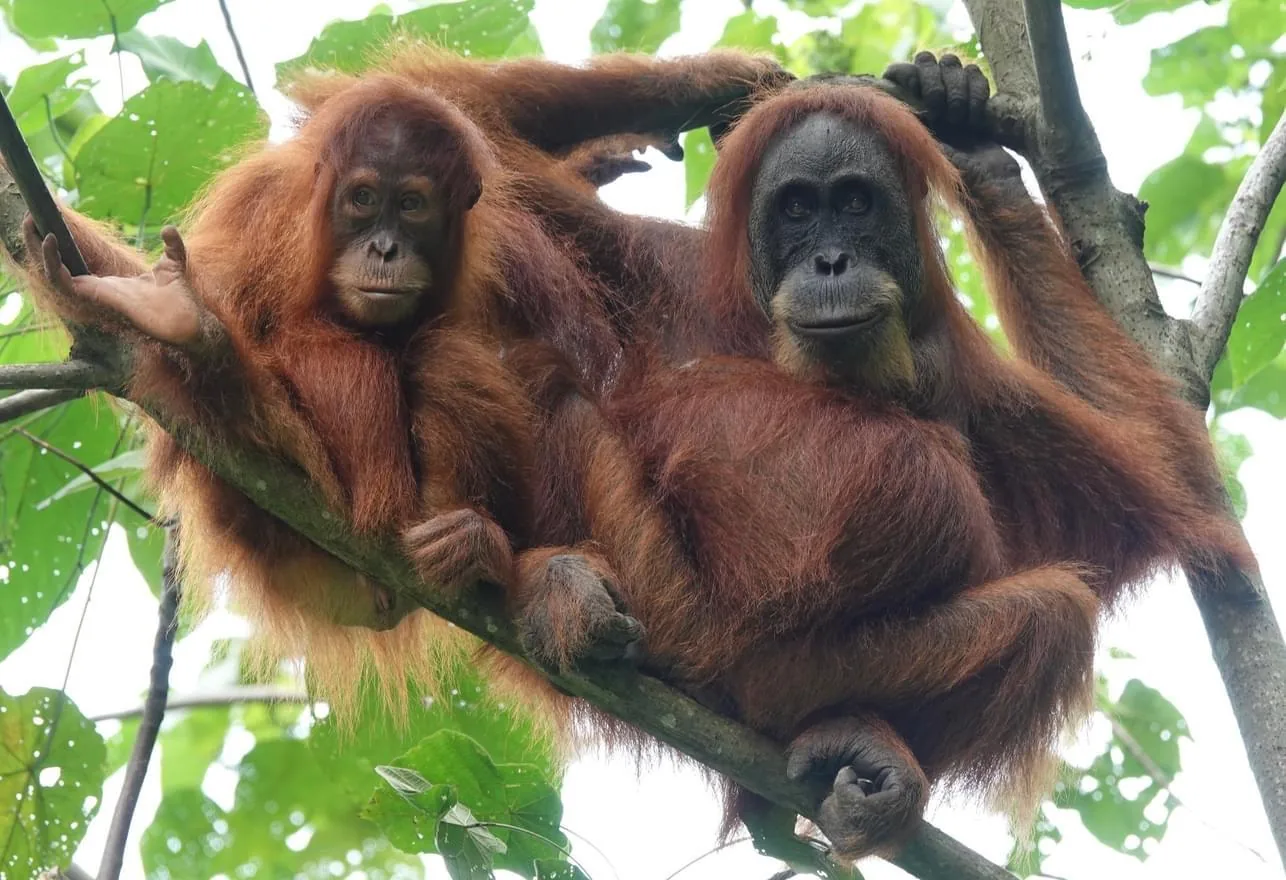
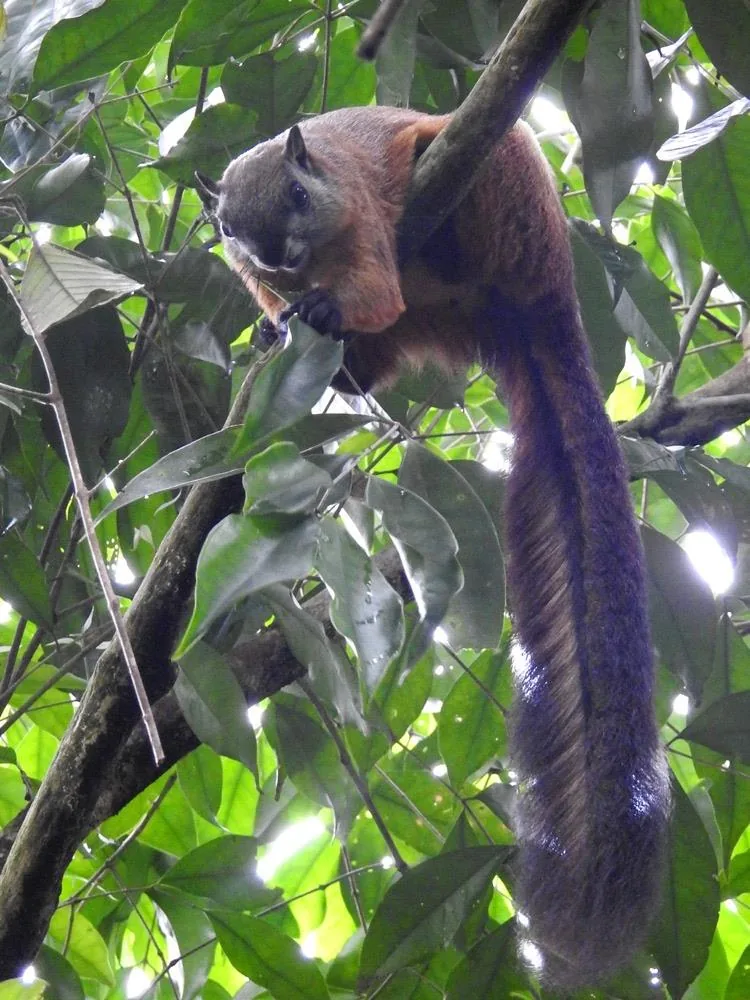
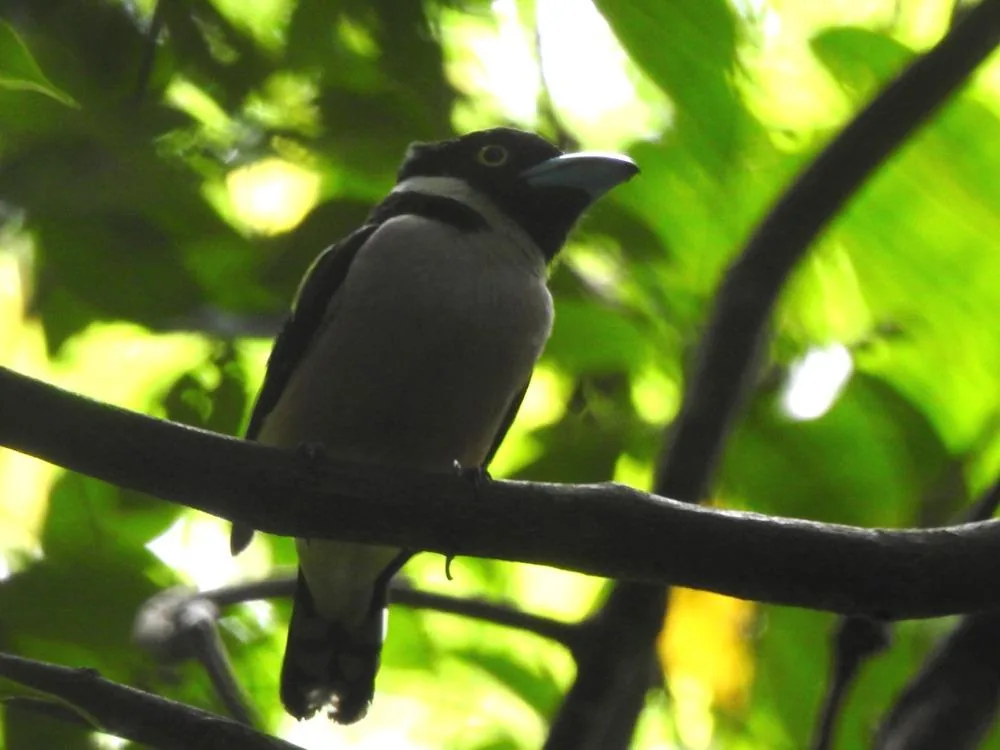
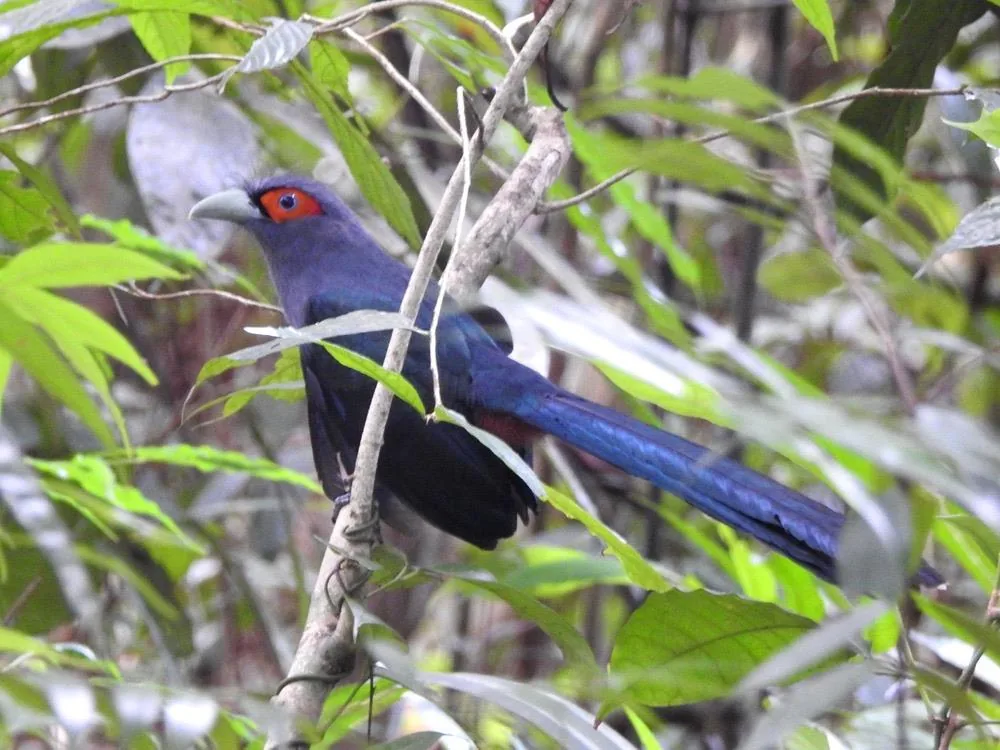
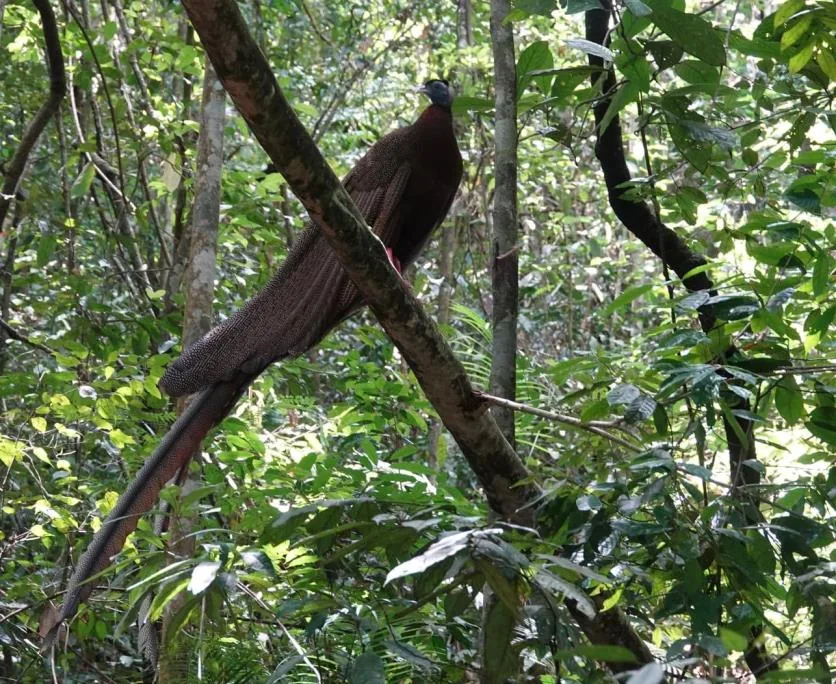
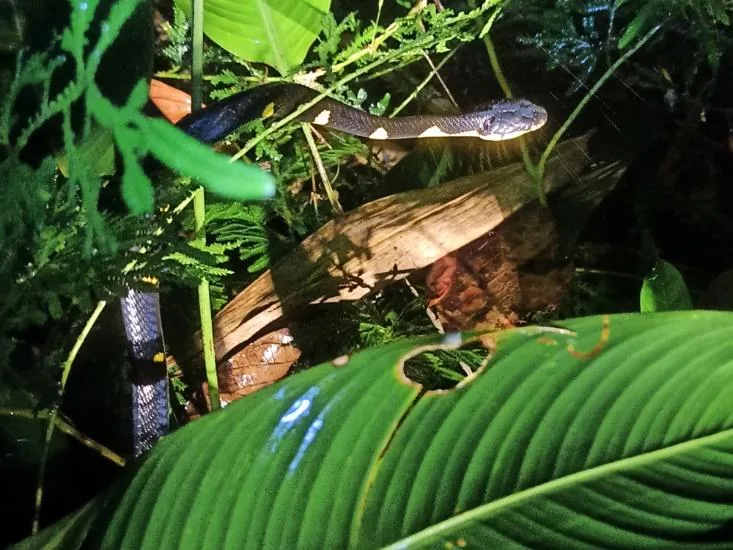
We entered Mt Leuser National Park’s and were joined with many other tourists – this is a very popular park due to the ease of seeing Sumatra’s most iconic animal and our major target today. However despite the crowds, we abled to see a good variety of wildlife; including some groups of southern pig- tailed macaques. During the walk, we had a very good view with a pale giant squirrel, which at first did a good impression of the much more elusive horse-tailed squirrel. We had three sightings of the amazing (and top target) Sumatran orangutan over the course of the day. It took a while to see the first one though. This first sighting was a female with an infant. We watched them with many other visitors. And after around 1 hour, a young male came and approached. The third encounter was a female also with an infant that found close to the river where our walk finished. During the walk, several birds were also seen, with a male of great argus being the undisputed highlight. Other noteworthy species were red-billed and chestnut-bellied malkoha, rhinoceros hornbill, and black-and-yellow broadbill. Unfortunately, no sighting of siamang and white-handed gibbon were had today. However, calls of the two species were heard several times. Aji and Bayu arranged a river tubing for our way back to the ecolodge which was a fun, adventurous and refreshing way back after hours of walking. The second or last night for the slow loris, but still we couldn’t find one despite more than three hours search during the rain. Aji, Bayu, and Imam started to looked for the slow loris along the trail to Aji’s guest house at around 10pm and continued until 1.30am. Sarah did not join, and Cheryl decided to stay and wait at the guest house due to the heavy rain. During the walking, several species were encountered: including a gold-ringed cat snake and two nocturnal birds: buffy fish-owl and brown boobok. Not photographed but the latter was strongly assumed as the individual seen the night before as it spoted exactly at the same place.
Day 4 Gunung Leuser National Park Wildlife Watching
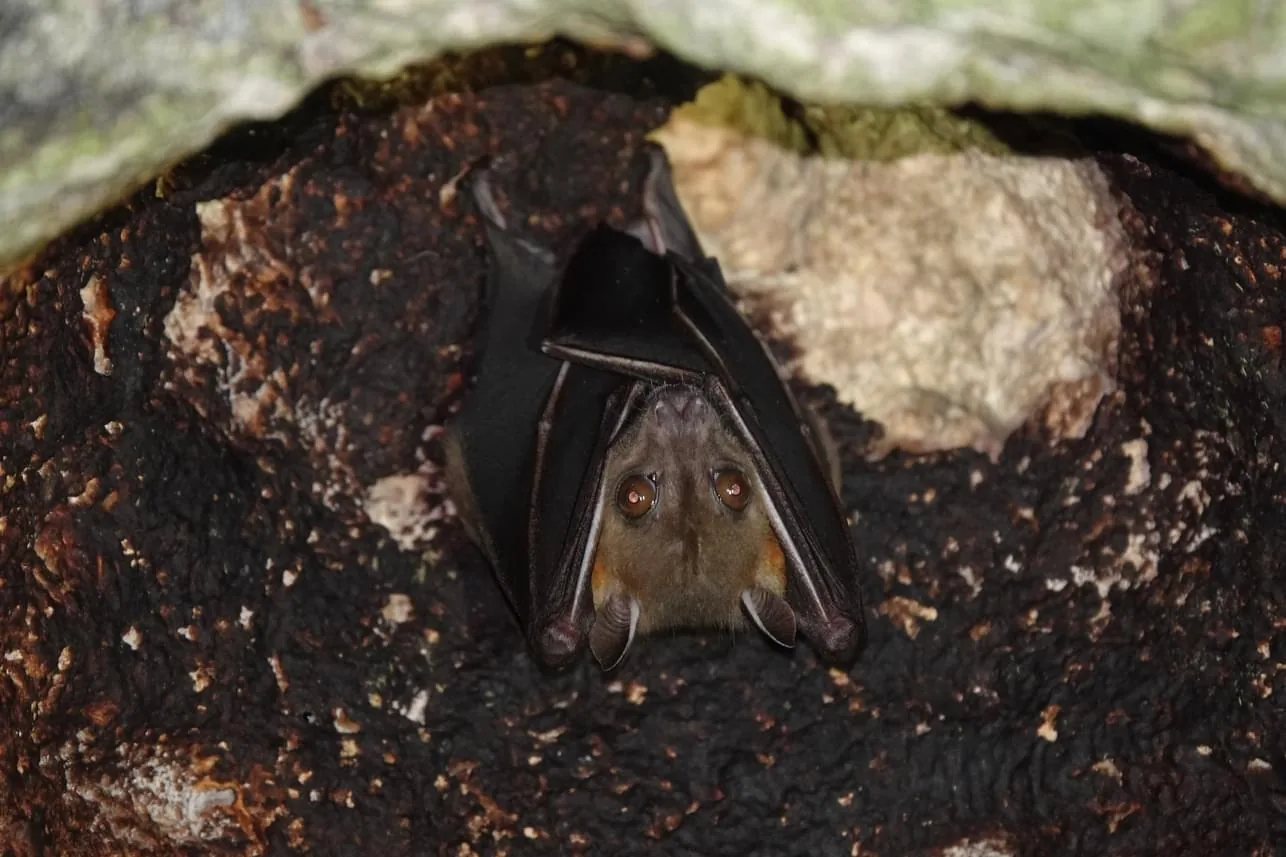
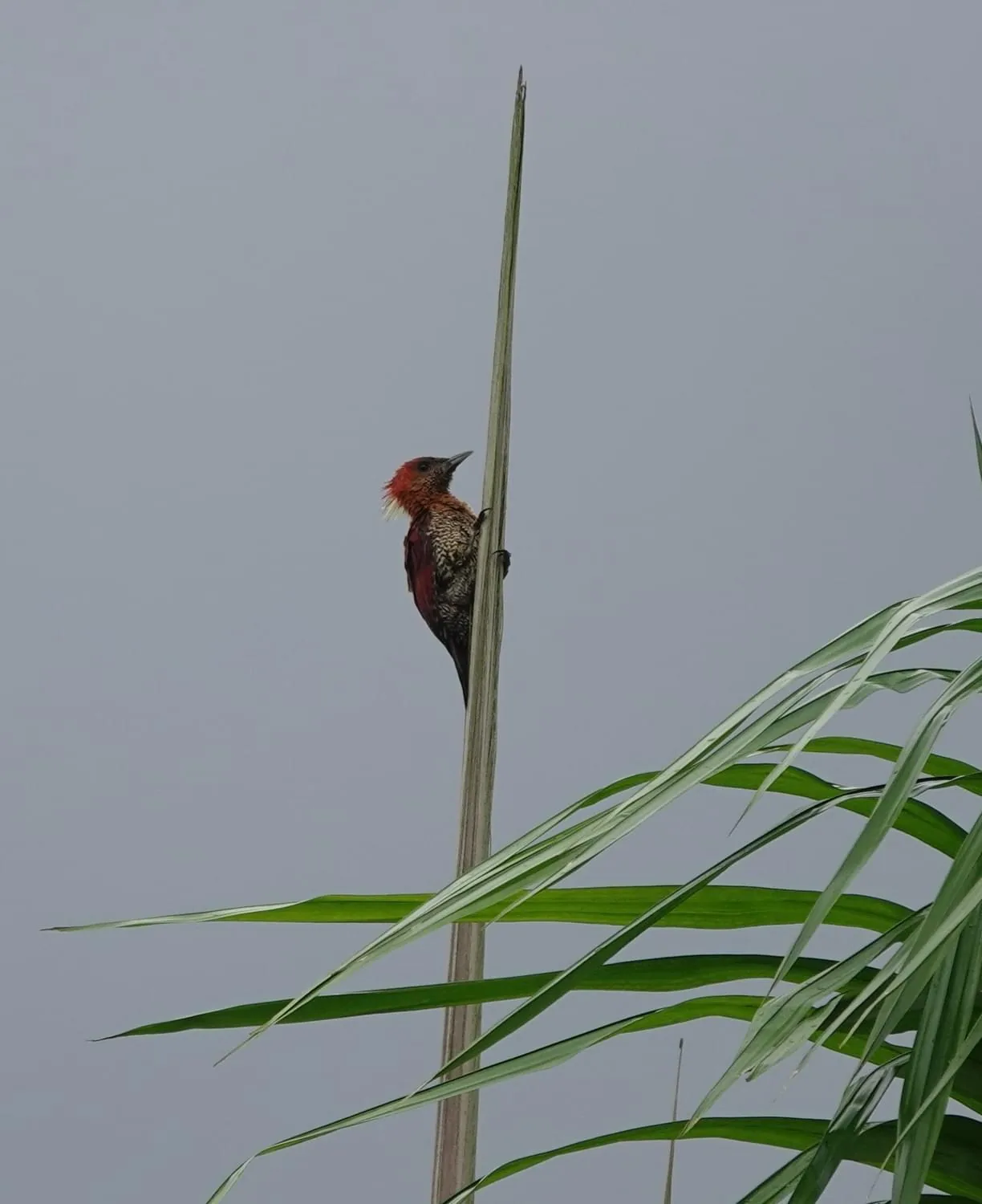
Today we got out and hiked the route to Aji’s guest house, which is a great trail, especially for bird watching. Although it was a cloudy morning, during the walk we were able to see at least 30 species of birds. Some of the highlights area the small and hard to see blue-crowned hanging-parrot, black-naped oriole, banded woodpecker, velvet-fronted nuthatch, and square-tailed drongo-cuckoo. We also visited a bat cave nearby the park entrance. There are at least two species of bats found, one being photographed by Imam but not a very good picture, which we believe to be greater short-nosed fruit bat. The other species was a hipposideros species of some sort, but we couldnt even speculate as to the species. Interestingly, there are also some swiflets around, and based of a nest found on the ground, it was mossy-nest swiftlet. Another swiftlet found at its nest and seen very well. The species is almost immposible to distinguish with two other species, namely white-nest (edible-nest) and black- nest swiftlet. The only confident way to identifying the species is by the nest material and colour. Other swiftlet, the common (in Sumatra) glossy swiftlet can also be confusing as it also nest inside the cave, but the materials is from leaves, mostly from the pine tree. We have a lunch at homestay and stay there for a couple of hours, before returning on motorcycles to the parking lot and then driving back to Kualanamu. During driving, some white-breasted Kingfishers seen along the roadside. We arrived at d’Prima (Prime Plaza) Hotel at around 7.30pm and had the rest of teh day to relax.
Day 5 Medan / Jakarta / Depensar Travelling This morning Imam, Cheryl and Sarah departed Medan and flew back to Jakarta, Imam left the trip at this point to meet up with them again later in the trip and Cheryl and Sarah continued on their journey to Denpasar, Bali. On arrival they met Allin and were transferred to the hotel for the night.
Day 6 Komodo National Park Travelling This morning Allin, Cheryl and Sarah caught the flight from Denpasar to Labuan Bajo on arrival they met Max and were taken to the harbour. Due to problems with the boat provider (problems which have led us to not use this boat operator again) we were put into a second boat than originally booked and departed towards Rinca Island. However this replacement boat had an issue and broke down. The day was lost on the boat, as Allin and Max worked on a solution, which was to find a speed boat for tomorrow. So Cherly and Sarah spend the night on the boat tonight after unfortunately not being able to make it to Rinca today. They were compensated for this problem and as mentioned the boat provider has been sidelined from future Royle Safaris trips to the region.
Day 7 Komodo Island Wildlife Watching
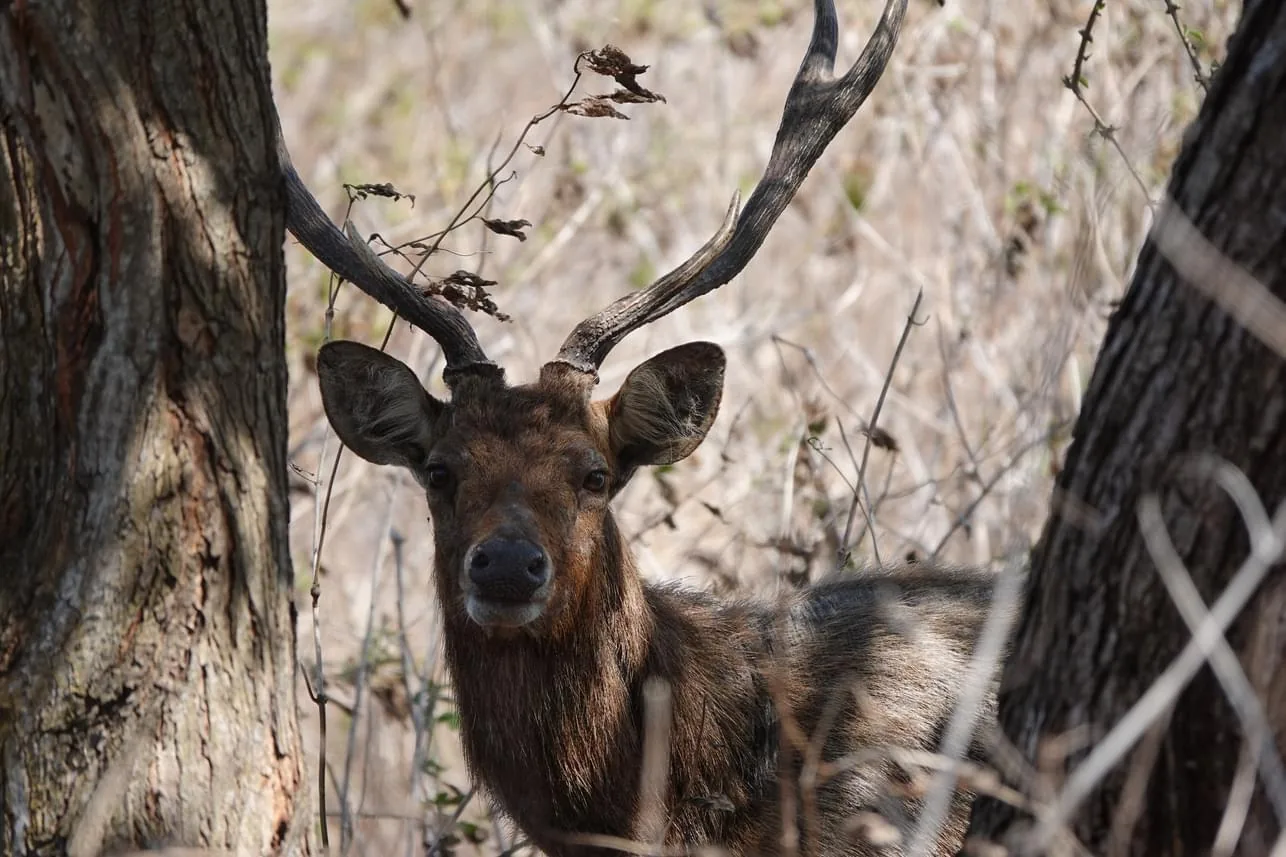
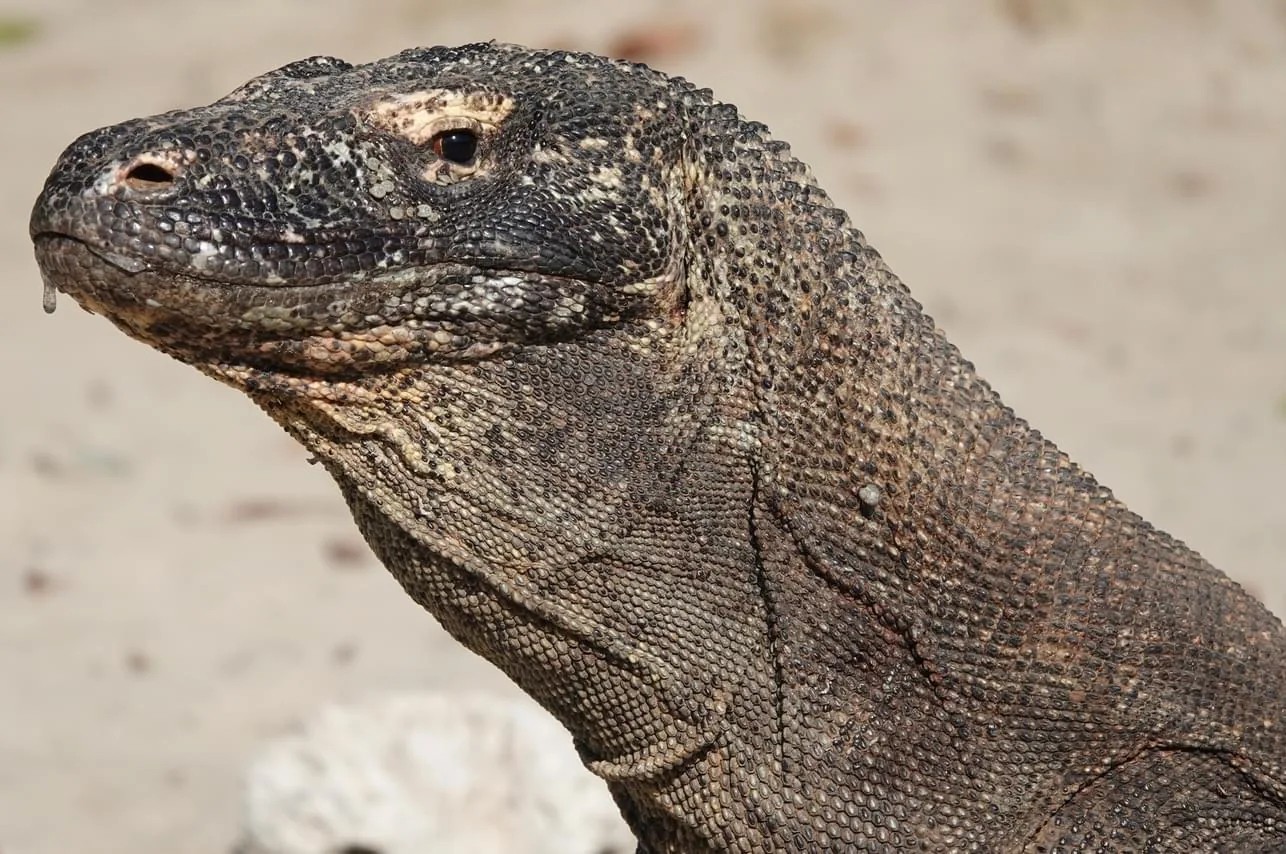
This morning the speedboat that Max had found arrived and Cheryl, Sarah and Allin disembarked the broken down boat and were transferred to Komodo Island. Once at the island there were amazing views of many large and wonderful Komodo dragons as well as Timor deer. The birding was also nice here, several species which are only found east of the Wallace Line can be found on here such as yellow-crested cockatoos. After leaving Komodo they stopped off at Pink Beach on the way back to Labuan Bajo, here the snorkelling is good and manta rays are commonly seen before returning to Labuan Bajo and overnighting in the town.
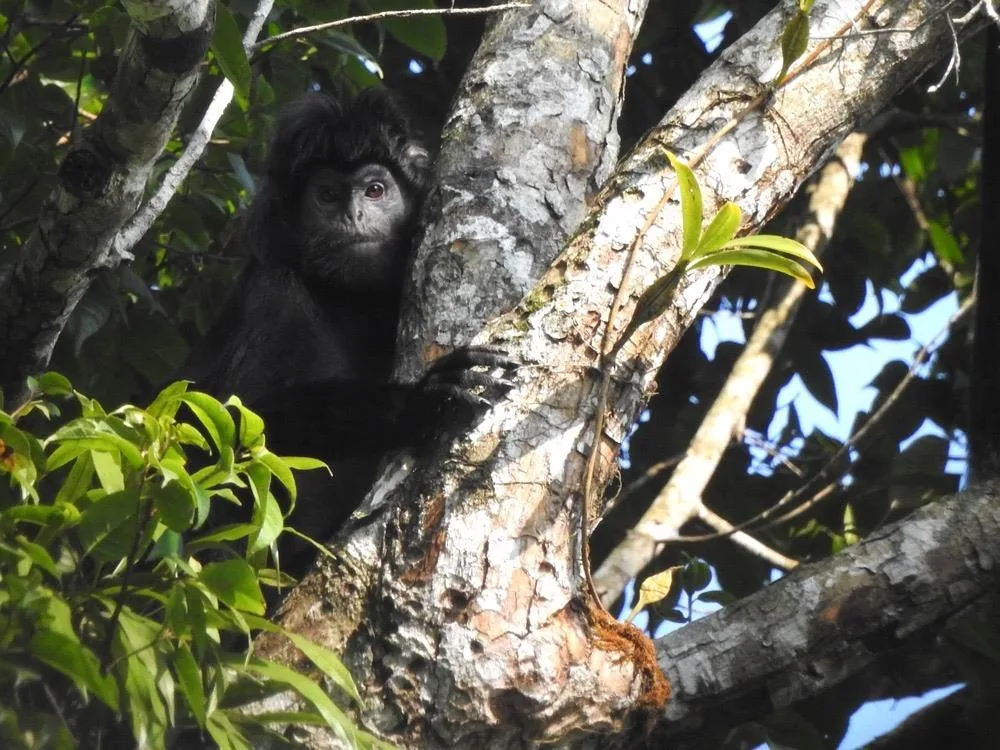
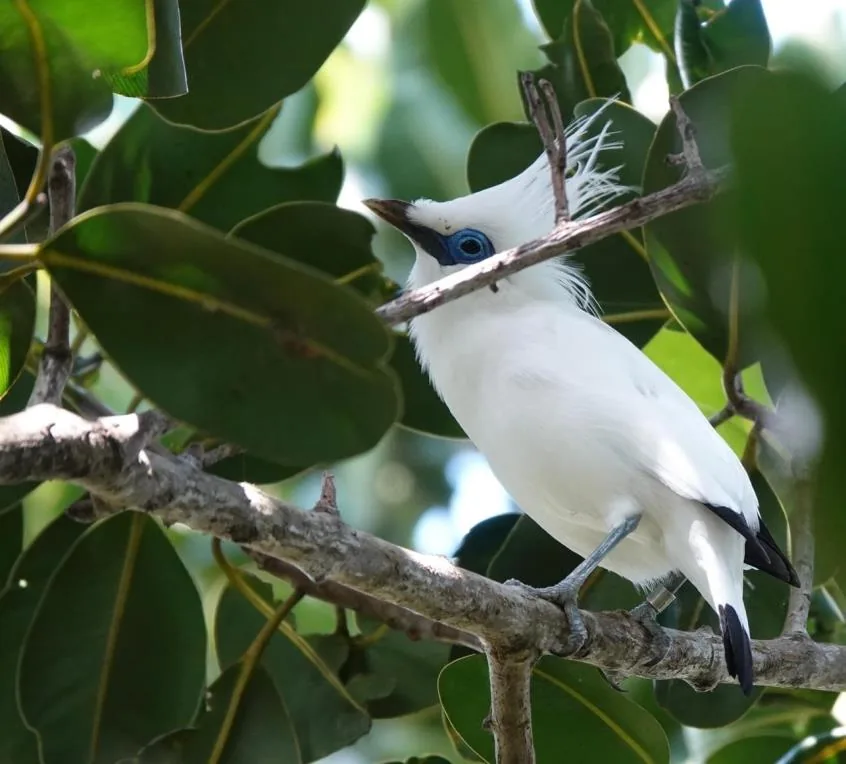
Day 8 Bali Barat National Park Travelling & Wildlife Watching This morning we did some birding around before leaving for the airport and flying back to Bali, once landed in Bali they were transferred to Bali Barat National Park. Around the entrance to the park we had views of long-tailed macaques and east Javan langurs which was the main mammal target for Bali. Also this afternoon we had views of a flock of the amazing and endemic Bali starling. We would try for these species and others again tomorrow morning.
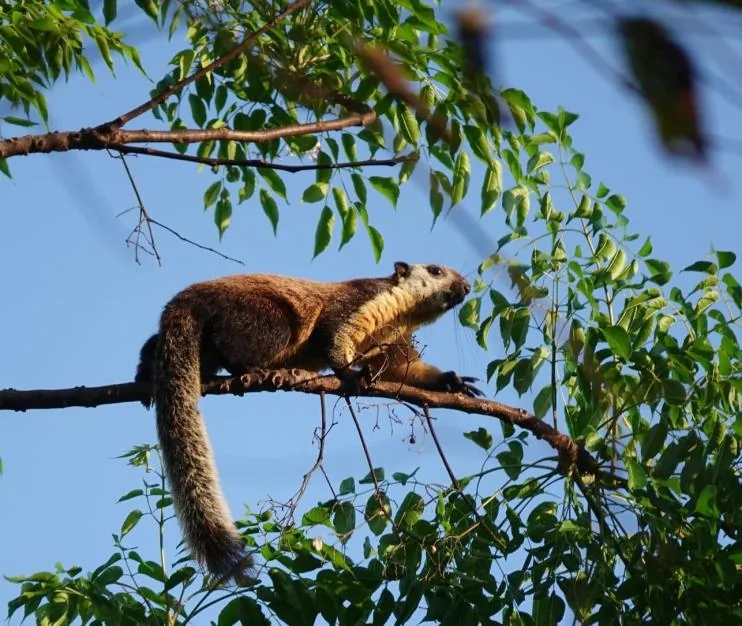
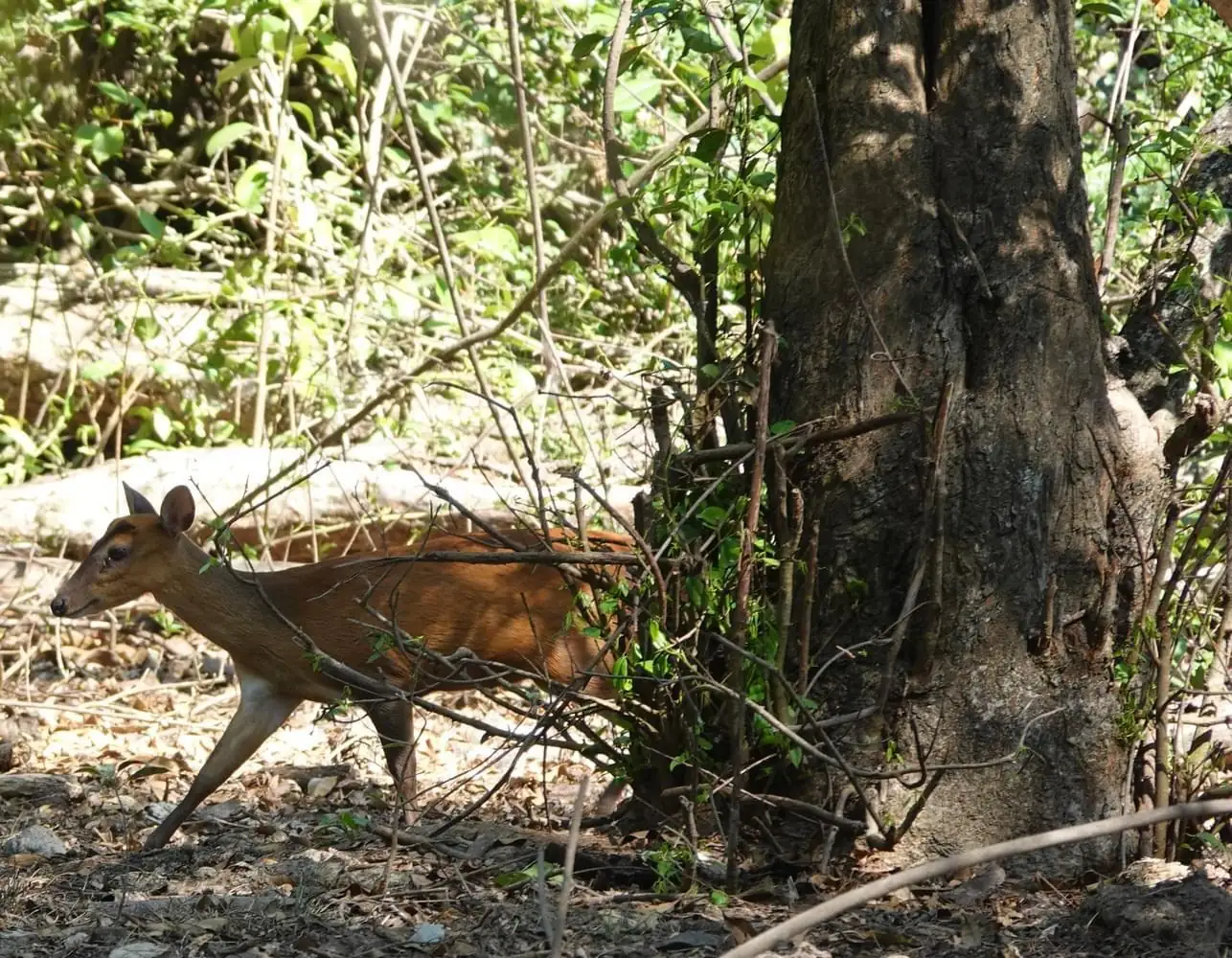
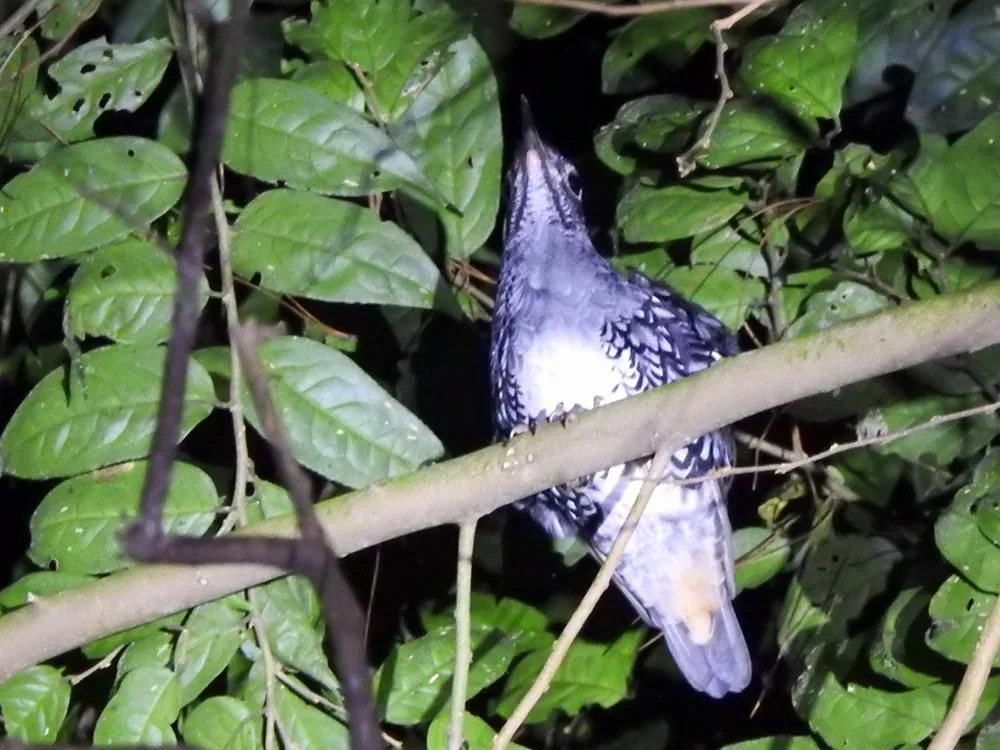
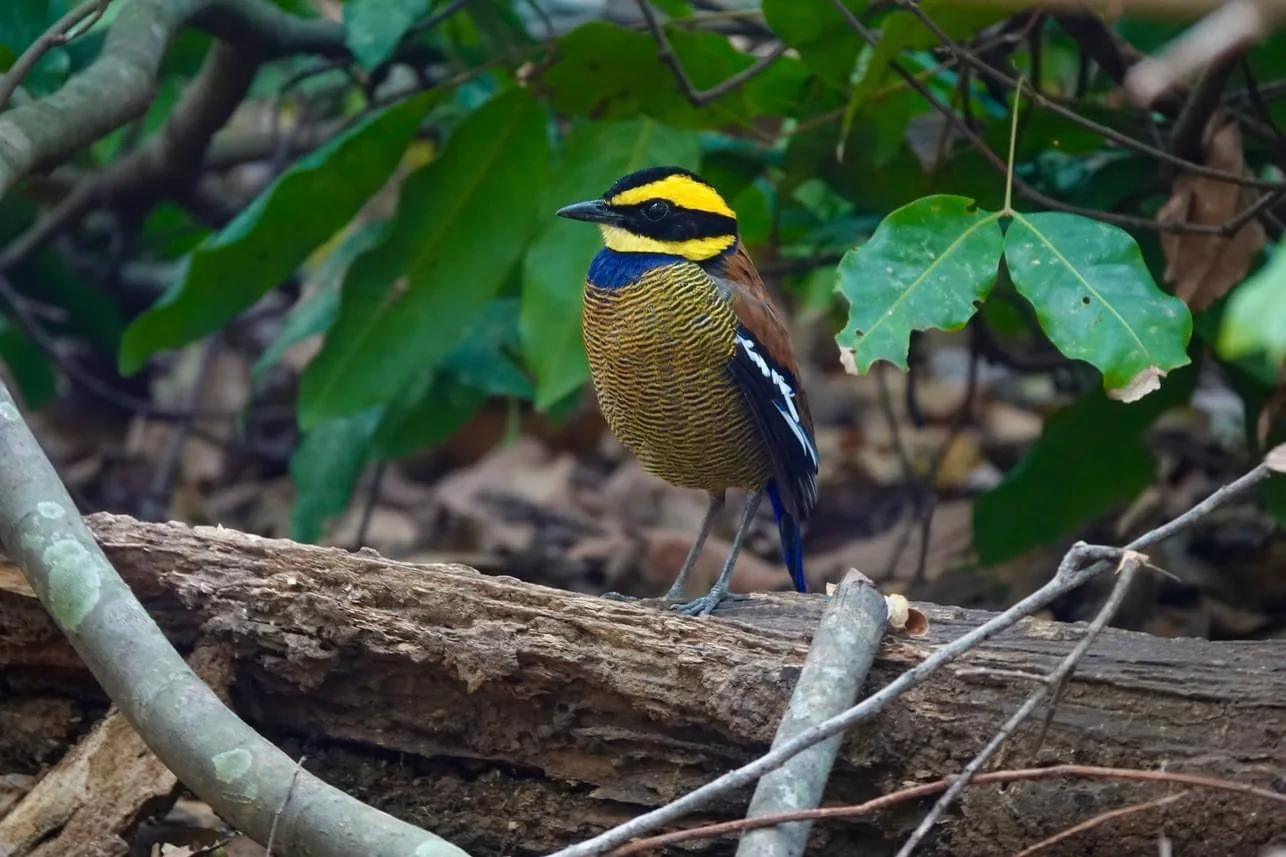
Day 9 Bali Barat National Park Wildlife Watching Early this morning we had another flock of Bali starlings with some seen very well. Also seen this morning were southern red muntjac, Timor deer, several groups of long-tailed macaques and east Javan langurs as well as very nice views of a black giant squirrel. Another great bird species seen here today was the Javan banded pitta. After Bali Barat National Park they returned to Sanur for the night.
Day 10 Halimum Salak National Park Travelling & Wildlife Watching This morning Sarah and Cheryl were taken to the airport to fly back to Jakarta, where they once again met Imam and went to visit Ragunan Zoo and in particular the Schmutzer Primate Center as the main area visited. Many primate species can be seen inside the primate center, such as siamang, Javan gibbon, lar gibbon, and macaques. The area also maintain some other non-Indonesian primates, such as gorillas and chimpanzees. The zoo offered a good number of bird species with at least 12 bird species seen, with some highlights including Javan myna, scarlet-headed flowerpecker, red-breasted parakeet, Sunda collared dove and gray-cheeked green pigeon and as for mammals some plantain squirrels were encountered. From the zoo they had lunch lunch and transfered to Mt. Halimun Salak National Park, and specifically to Citalahab village. It took about six hours to drive here with a pretty bumpy road for the last two hours so they arrived at around 9pm and decided to have a rest, without tried for night walking.
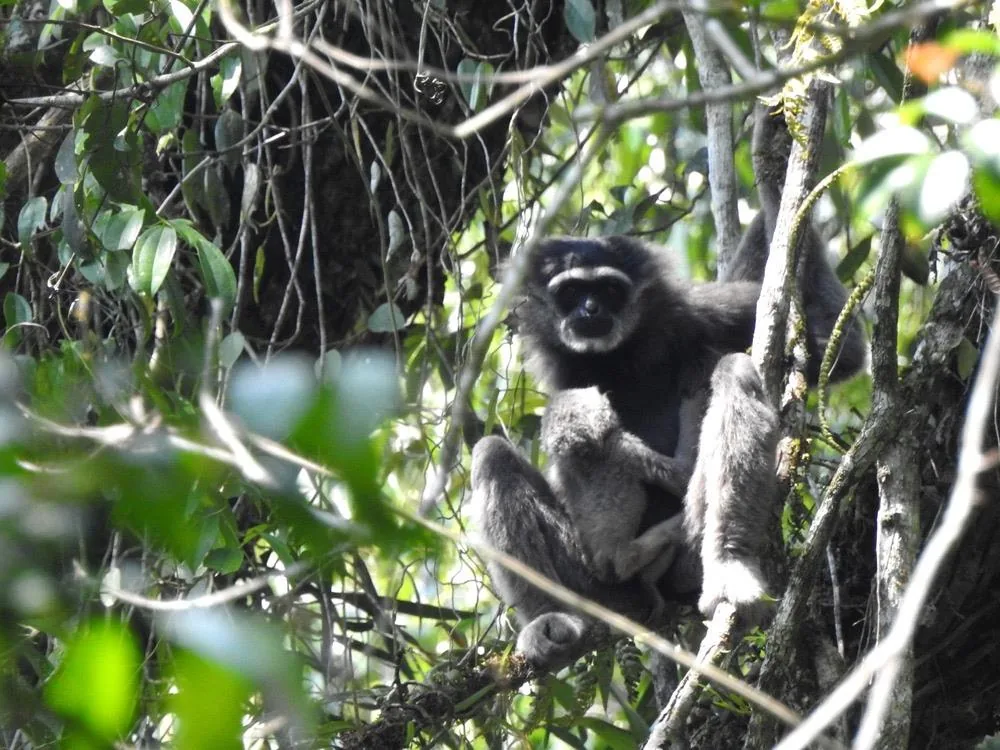
Day 11 Halimum Salak National Park Wildlife Watching Our trip into Halimum today was with the local guide Handa, a skillful villager in finding birds and other wildlife. We walked along 2km of Gibbon’s trail inside the forest that linked Citalahab village to Cikaniki Research Station. Javan gibbon were seen just soon after. A female with an infant eating fruits were found and we watched them at the time as they were being observed by two of Kiara’s researchers, studying the gibbons here. During the day, the Javan gibbons were encountered three different times.
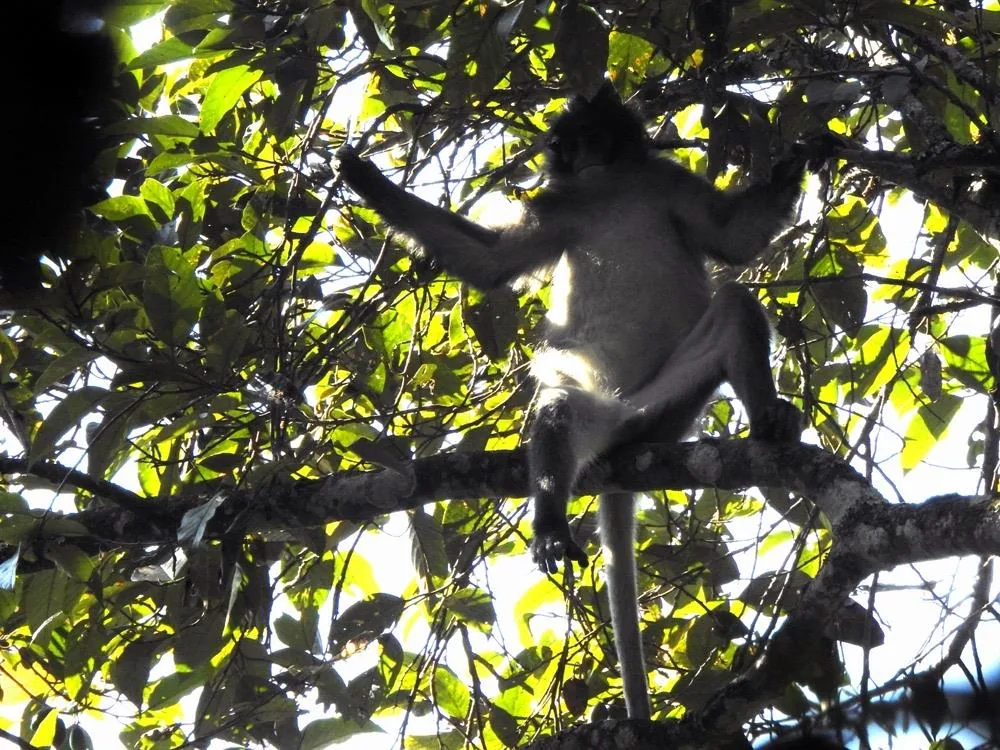
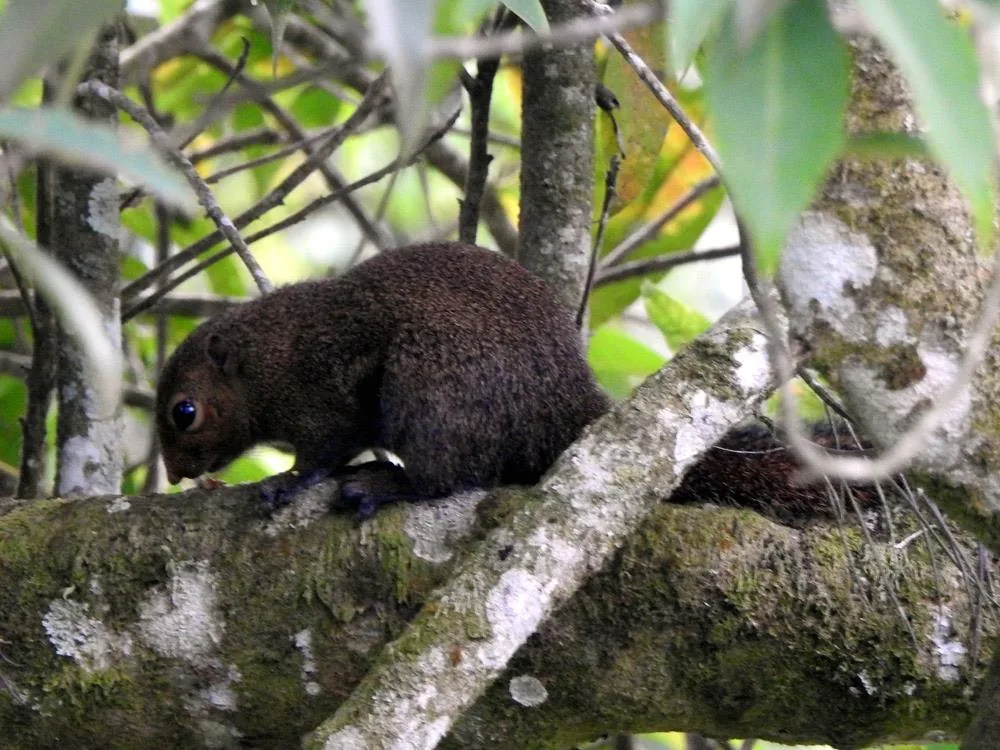
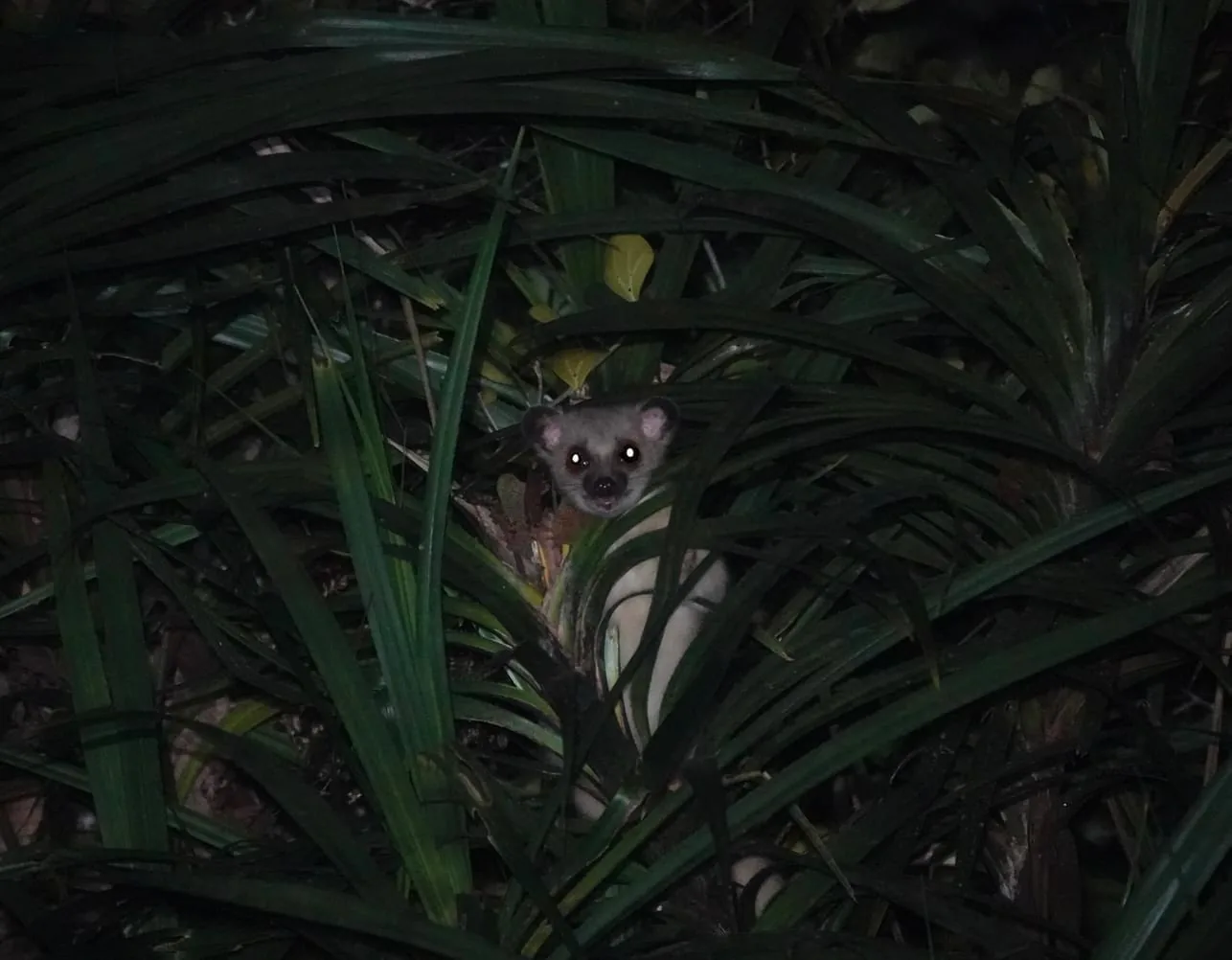
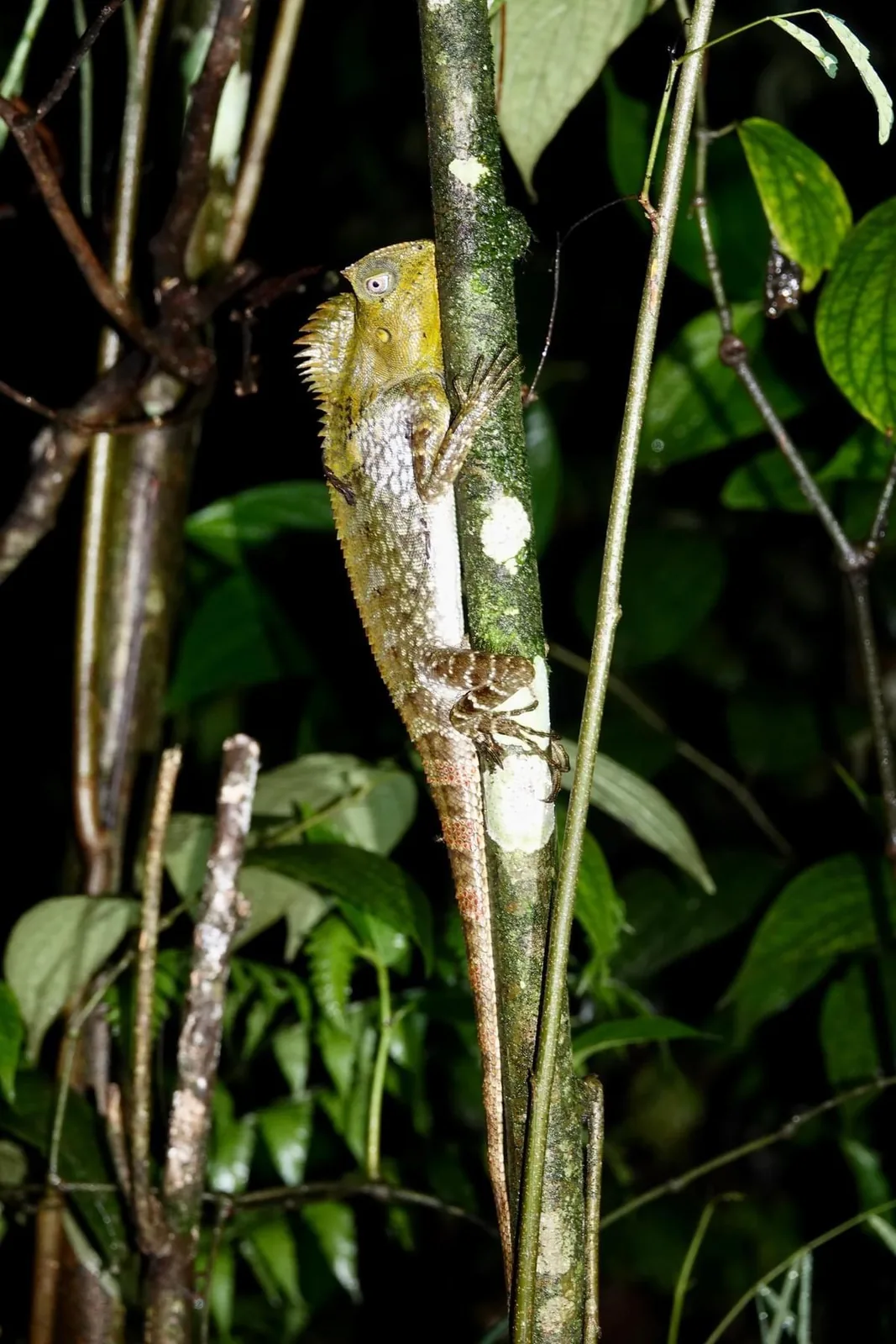
Javan surili were also encountered after, with a good views. However, the west Javan langur was only seen poorly due to being backlit in the canopy. A Javan tree shrew was also seen, but only in a brief view as well two views of black-eared pygmy squirrels; the first at a big tree inside the Gibbon’s Trail and secondly in front of Cikaniki Research Station. A small Kuhl’s angelhead lizard was also found along the trail. Some birds along the trail were Sunda minivet, orange-breasted trogon, Javan hawk-eagle, Javan whistlng thrush, Javan trogon, and spotted crocias. In the afternoon we walked along a nearby paddyfield for a chance to see Javan munia and Javan kingfisher, but no sighting. The Javan munia only finally seen when we visited the tea plantation and a black-striped squirrel was also observed. The trip continue with a night walk following the main road of Cikaniki forest. Mammals encountered were Sunda stink-badger and Javan small-tooth palm civet. The stink-badger quickly dissapeared into the bushes, but we had a very good encountered with the palm civet that first seen by Handa high above the tree. During the walk, one Sunda forktail was seen roosting and two species of frogs seen along the road, but remain unidentified, and no sighting of any Javan Slow Loris during this two hours walked.
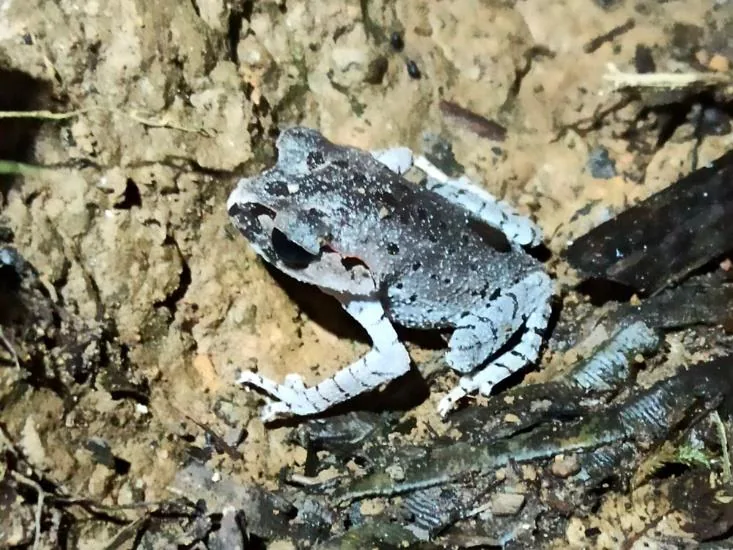
Day 12 Halimum Salak National Park Wildlife Watching This morning we walked along the right trails from Citalahab village offers a different wildlife from yesterday. We had a good encounters with some west Javan langurs and surili, but no sighting of Javan gibbon this morning. The gibbon only heard early in the morning. Some birds observed were Javan leafbird, gray-and-buff woodpecker, Javan fulvetta, and white-breasted babbler. In the afternoon, we made a short visit to Cikaniki Research Station, but had only very a few encountered along the forest road. Another Sunda forktail, ashy drongo, and indigo flycatcher seen during the walk. A long-tailed shrike was seen during our way back to Citalahab village. After dak we only spent a short night walked through the Gibbon’s Trail (only about an hour). A red giant flying squirrel was encountered high up in a tree around the camping ground and along the trail, a Java spadefoot toad was seen well. Close to the village, several bats were seen visiting durian’s flowers in a tree, the species was not identified but they were likley a species of macroglossus. Just at the same tree, Imam saw a Javan flying squirrel, but unfortunately Cheryl and Sarah didn’t see this endemic species.
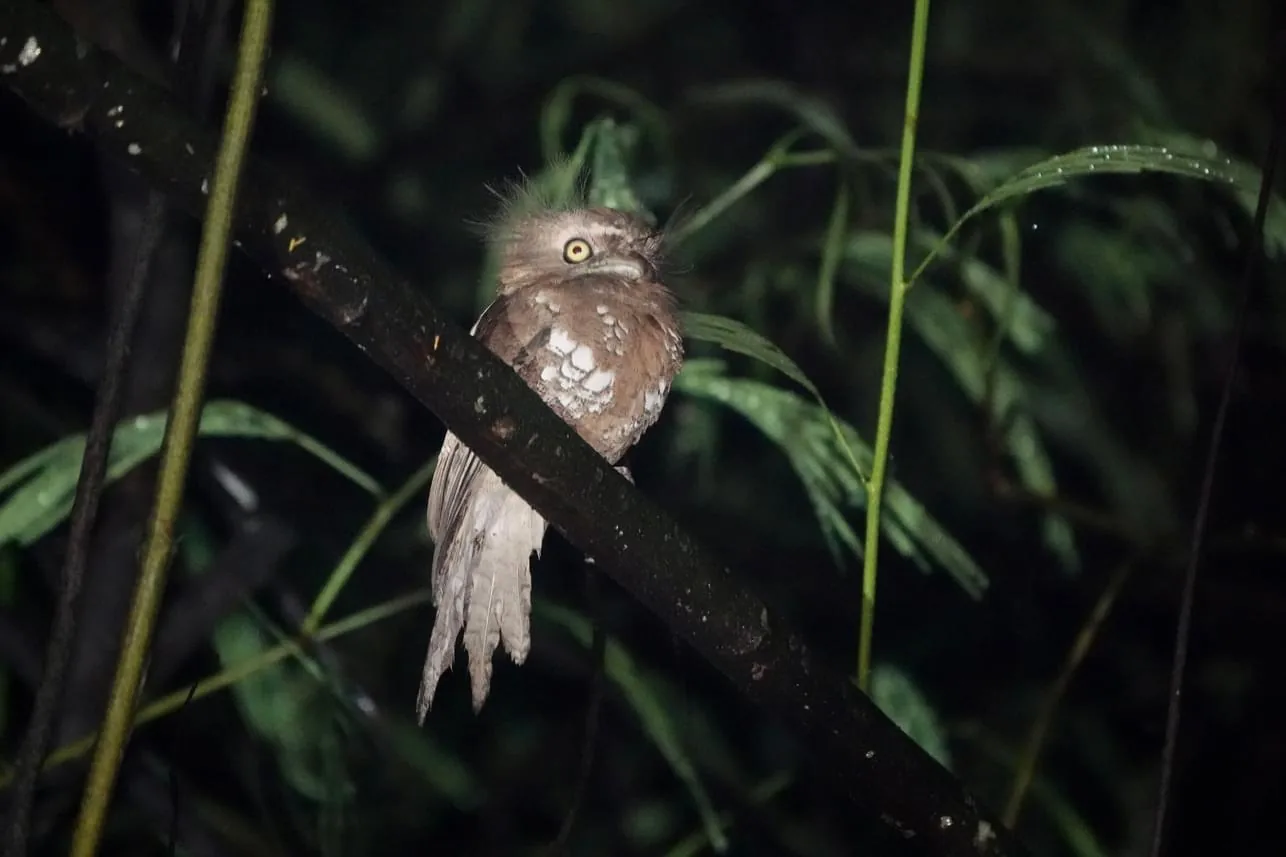
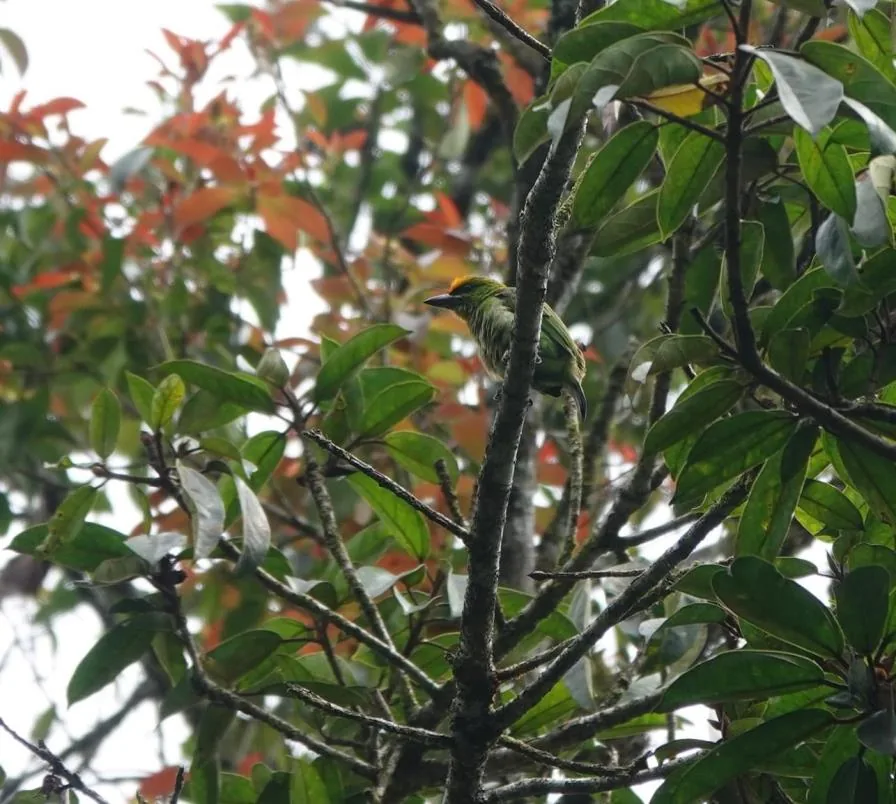
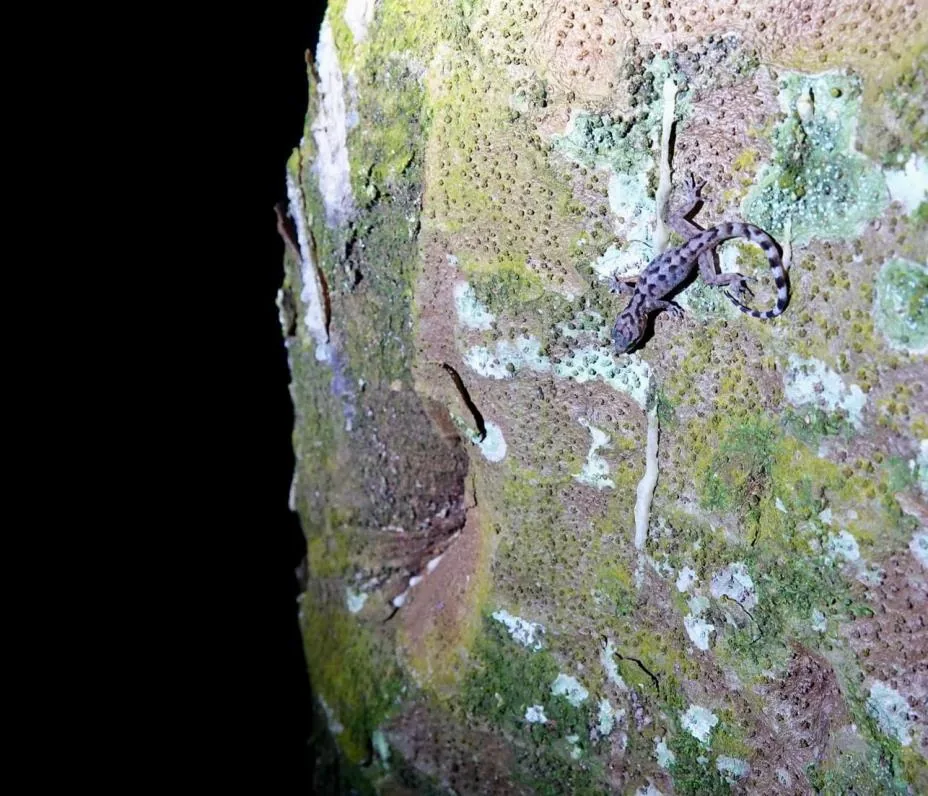
Day 13 Halimum Salak National Park Wildlife Watching This morning we had a walk in Cikaniki after breakfast and checking out from Bu Kokom Homestay, Citalahab. Two bird species seen when walking along the tea plantation: striated grassbird and Javan kingfisher. Several other birds seen on the forest, such as Javan sunbird, the common but hard to see flame-fronted barbet, and eyebrowed wren-babbler and also two black giant squirrels seen in the same tree. After the walk, we drove to Padjadjaran Suite and Resort as a base to explore this part of the forest. Along the forest road we saw some west Javan langurs and a pair of Javan trogons. After dinner, we drove to Sukamantri Camping Ground, located at Mt. Salak. The area is still in part of Halimun Salak National Park and we chose this locaiton as it is the base of a local NGO that focus on slow loris rehabilitation and it was around here that some had been released and we hoped to find one. We walked for three hours accompanied by two local guides, lead by Kang Asep. We found a Javan bent-toed gecko on a tree. Interestingly, four diurnal birds seen roosting which were black-browed and Horsfield’s babbler, Javan banded pitta, and two Sunda thrushes. Two nocturnal birds were also observed with good views: Javan or horsfield’s frogmouth and Sunda scops-owl.
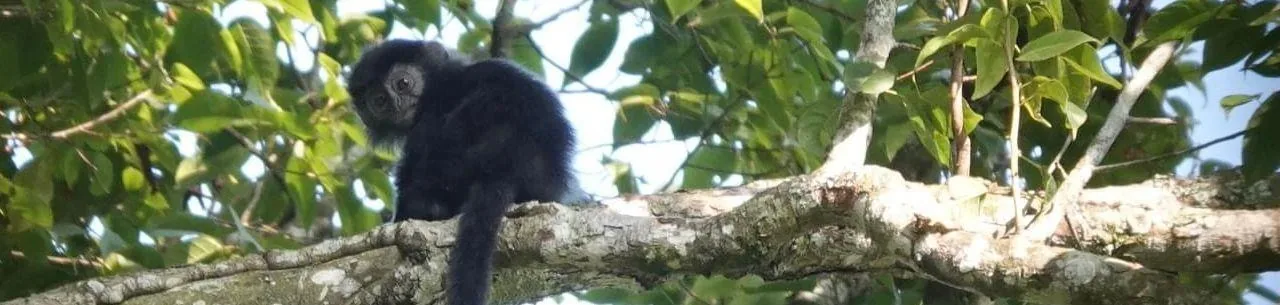
Out again early this morning for a walk along Sukamantri forest and around the camping ground, we found many long-tailed macaques can be seen. Kang Asep heard the calls of Javan surili that he said he often sees around the camping ground, especially in the afternoon, but we had no sighting this morning.
Only several birds seen, but no species for the trip. Highlights included the Javan banded pitta and Horsfield’s babbler. A night walk at Sukamantri after some rainfall was our last chance for Javan Slow Loris. Kang Asep and Kang Ishak accompanied us for one last attempt. Another Kuhl’s angelhead lizard was found, this was a much larger specimen and was brown in colour, not a green as the first encountered. Some more birds were seen including Javan or Horsfield’s frogmouth and Sunda thrush again found during the night. The last part was the main road before Sukamantri’s gate. However, resulted no sighting. Only a Sunda thrush was seen in a nest.
Day 15 Cikarae Cave Wildlife Watching & Travelling
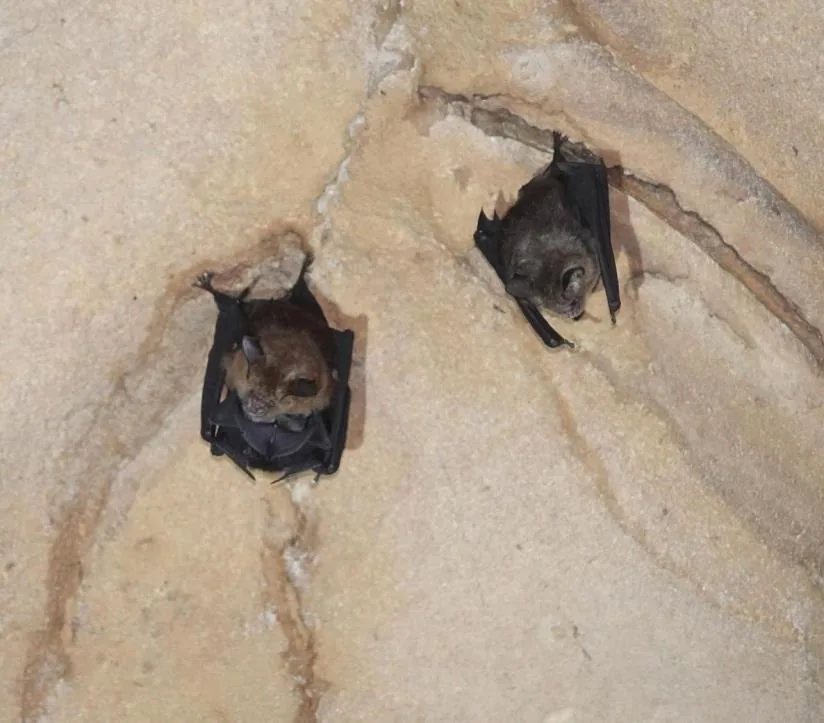
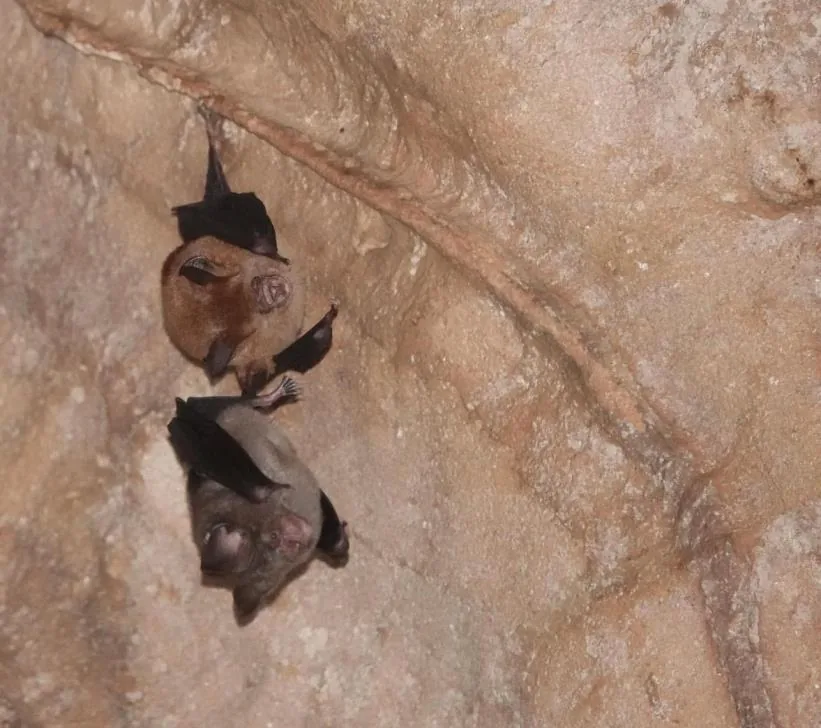
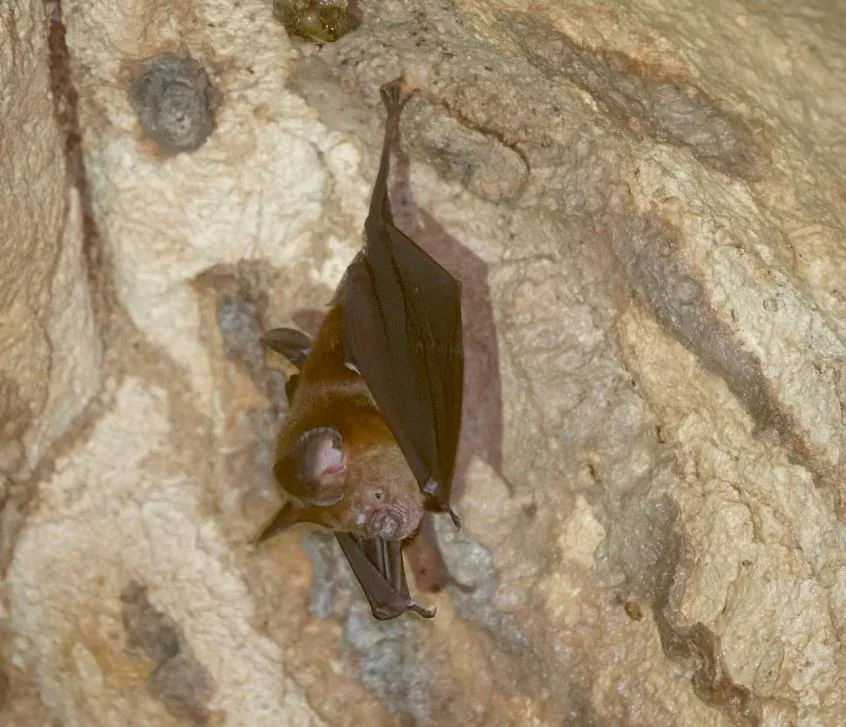
After checked out from Padjadjaran Hotel and Resort, we visited Cikaray or Cikarae Cave near Leuwikaret village, at Klapanunggal, before heading back to Jakarta. The cave is managed by the village’s naturalist club named Pelikar (Pecinta Alam Leuwikaret) or Leuwikaret’s Naturalist Club. The naturalist club provides a good assist and also equipments for caving activity, such as helmet and headlamp, waterproof coverall, even robber boots. They informed us that more than 40 caves can be found at their village, but most of the cave are vertical entrance. The Cikaray Cave is the most popular. Two entrances to the cave, horizontal and vertical. The cave’s horizontal entrance is very close to the club’s secretariat. They informed that there are at least four species of bat that can be found inside Cikaray Cave: Intermediate roundleaf bat, diademed horseshoe bat, Myotis sp, and bent-winged or long winged bats Miniopterus sp. There are also a very rare stygobiotic isopod Stenasellus javanicus that endemic to a few caves in Java, a Whip spider or Tailless Whip Scorpion Stygophynus dammermani and a catfish, also other small wildlife. Soon inside we walked in, we entered a big chamber where a colony of bats roost. After took some photos, we continued to walked and the cave is getting narrower until it meet a fork. Because of three hours rain last night, the right cave passage is full of water. Sarah decided to not go further. Only Cheryl continued, accompanied by three members of the naturalist club. According to Cheryl, at least two bats found inside and photographed in this less than two hours visit. After cleaned up, we then continued to drive to Mulia Hotel, Central Jakarta.
Day 16 Home Departure Today Cheryl and Sarah spent time at the hotel, before being taken to the airport to catch their return flights home.
Species List Sumatra, Java, Bali & Komodo Wildlife Tour / August 2023
Mammals (* = heard or signs only / CT = camera trap only)
Angke Kapuk (ANG) / Jakarta (JAK) / Gunung Lueser (GNL) / Bali Barat (BAL) / Komodo Island (KOM) / Gunung Halimum (GNH) / Gunung Salak (GNS) / Cikaray Cave (CIK)
| Common Name | Binominal Name | ANG | JAK | GNL | BAL | KOM | GNH | GNS | CIK | |
|---|---|---|---|---|---|---|---|---|---|---|
| 1 | Javan Small-toothed Palm Civet | Arctogalidia trivirgata | * | |||||||
| 2 | Banteng | Bos javanicus | * | |||||||
| 3 | Black-striped Squrrel | Callosciurus nigrovittatus | * | * | ||||||
| 4 | Plantain Squirrel | Callosciurus notatus | * | * | * | * | * | |||
| 5 | Greater Short-nosed Fruit Bat | Cynopterus sphinx | * | |||||||
| 6 | Diademed Leaf-nosed Bat | Hipposideros diadema | * | * | ||||||
| 7 | Roundleaf Bat Species | Hipposideros sp. | * | |||||||
| 8 | Lar gibbon | Hylobates lar | (heard) | |||||||
| 9 | Javan gibbon | Hylobates moloch | * | |||||||
| 10 | Javanese Flying Squirrel | Iomys horsfieldii | * | |||||||
| 11 | Long-tailed Macaque | Macaca fascicularis | * | |||||||
| 12 | Southern Pig-tailed Macque | Macaca nemestrina | * | * | ||||||
| 13 | Southern Red Muntjac | Muntiacus muntjak | * | |||||||
| 14 | Malay Stink Badger | Mydaus javanensis | * | |||||||
| 15 | Black-eared Pygmy Squirrel | Nannosciurus melanotis | * | |||||||
| 16 | Southeast Asian Palm Civet | Paradoxurus musangus | * | |||||||
| 17 | Red Giant Flying Squirrel | Petaurista petaurista | * | |||||||
| 18 | Sumatran Orangutan | Pongo abelii | * | |||||||
| 19 | Javan surili | Presbytis comata | * | |||||||
| 20 | Thomas Langur | Presbytis thomasi | * | |||||||
| 21 | Black Rat | Rattus rattus | * | |||||||
| 22 | Malaysian Field Rat | Rattus tiomanicus | * | |||||||
| 23 | Pale Giant Squirrel | Ratufa affinis | * | |||||||
| 24 | Black Giant Squirrel | Ratufa bicolor | * | * | ||||||
| 25 | Intermediate Horseshoe Bat | Rhinolophus affinis | * | |||||||
| 26 | Javan Rusa Deer | Rusa timorensis | * | * | ||||||
| 27 | Eurasian Wild Pig | Sus scofra | * | * | ||||||
| 28 | Saimang | Symphalangus syndactylus | (heard) |
| 29 | East Javan Langur | Trachypithecus auratus | * | |||||||
|---|---|---|---|---|---|---|---|---|---|---|
| 30 | Silvery Lutung | Trachypithecus cristatus | * | |||||||
| 31 | West Javan Langur | Trachypithecus mauritius | * | * | ||||||
| 32 | Javan treeshrew | Tupaia hypochrysa | * |
32 Javan treeshrew Tupaia hypochrysa *
Note: Some bats identified 100% at roosts or with good views. Others identified with spectrograms in combination with sightings (no spectrograms without visual confirmation are recorded as a sighting), behaviour and habitat – so not 100% but best educated guesses. For more information please email me.
Birds (* = heard or signs only / CT = camera trap only)
Angke Kapuk (ANG) / Jakarta (JAK) / Gunung Lueser (GNL) / Bali Barat (BAL) / Komodo Island (KOM) / Gunung Halimum (GNH) / Gunung Salak (GNS) / Cikaray Cave (CIK)
| Common Name | Binominal Name | ANG | JAK | GNL | BAL | KOM | GNH | GNS | CIK | |
|---|---|---|---|---|---|---|---|---|---|---|
| 1 | Javan Myna | Acridotheres javanicus | * | |||||||
| 2 | Common Myna | Acridotheres tristis | * | * | ||||||
| 3 | Common Sandpiper | Actitis hypoleucos | * | |||||||
| 4 | Common Iora | Aegithina tiphia | * | * | * | |||||
| 5 | Mossy-nest Swiftlet | Aerodramus salangana | * | |||||||
| 6 | Javan Sunbird | Aethopyga mystacalis | * | |||||||
| 7 | Small Blue Kingfisher | Alcedo atthis | ||||||||
| 8 | Cerulean Kingfisher | Alcedo coerulescens | * | |||||||
| 9 | Blue-eared Kingfisher | Alcedo meninting | * | |||||||
| 10 | Javan Fulvetta | Alcippe pyrrhoptera | * | |||||||
| 11 | White-breasted waterhen | Amaurornis phoenicurus | * | |||||||
| 12 | Sunda Teal | Anas gibberifrons | * | * | ||||||
| 13 | Oriental Darter | Anhinga melanogaster | * | |||||||
| 14 | Javan Trogon | Apalharpactes reinwardtii | * | |||||||
| 15 | Asian Glossy Starling | Aplonis panayensis | * | |||||||
| 16 | House Swift | Apus nipalensis | * | |||||||
| 17 | Great Egret | Ardea alba | * | |||||||
| 18 | Purple Heron | Ardea purpurea | * | |||||||
| 19 | Great-billed Heron | Ardea sumatrana | * | * | ||||||
| 20 | Javan Pond Heron | Ardeola speciosa | * | |||||||
| 21 | Great Argus | Argusianus argus | * | |||||||
| 22 | White-breasted Woodswallow | Artamus leucorynchus | * | * | ||||||
| 23 | Javan Frogmouth | Batrachostomus javensis | * | |||||||
| 24 | Rhinoceros Hornbill | Buceros rhinoceros | * | |||||||
| 25 | Striated Heron | Butorides striata | * | * |
| 26 | Striated Swallow | Cecropis striolata | * | * | ||||||
|---|---|---|---|---|---|---|---|---|---|---|
| 27 | Javan Leafbird | Chloropsis cochinchinensis | * | |||||||
| 28 | Little Bronze Cuckoo | Chrysococcyx minutillus | * | |||||||
| 29 | Banded Woodpecker | Chrysophlegma miniaceum | * | |||||||
| 30 | Olive-backed Sunbird | Cinnyris jugularis | * | |||||||
| 31 | Flame-breasted Sunbird | Cinnyris solaris | * | |||||||
| 32 | Glossy Swiftlet | Collocalia esculenta | * | |||||||
| 33 | Cave Swiflet | Collocalia linchi | * | * | * | * | ||||
| 34 | Javan Cuckooshrike | Coracina javensis | * | |||||||
| 35 | Large-billed Crow | Corvus macrorhynchos | * | * | ||||||
| 36 | Spotted Crocias | Crocias albonotatus | * | |||||||
| 37 | Racquet-tailed Treepie | Crypsirina temia | * | |||||||
| 38 | Fulvous-chested Jungle Flycatcher | Cyornis olivaceus | * | |||||||
| 39 | Freckle-breasted Woodpecker | Dendrocopos analis | * | * | * | |||||
| 40 | Sunda Pygmy Woodpecker | Dendrocopos moluccensis | * | * | * | |||||
| 41 | Orange-bellied Flowerpecker | Dicaeum trigonostigma | * | * | ||||||
| 42 | Scarlet-headed Flowerpecker | Dicaeum trochileum | * | |||||||
| 43 | Wallacean Drongo | Dicrurus densus | * | |||||||
| 44 | Ashy Drongo | Dicrurus leucophaeus | * | * | * | |||||
| 45 | Square-tailed Drongo | Dicrurus ludwigii | * | |||||||
| 46 | Black Drongo | Dicrurus macrocercus | * | |||||||
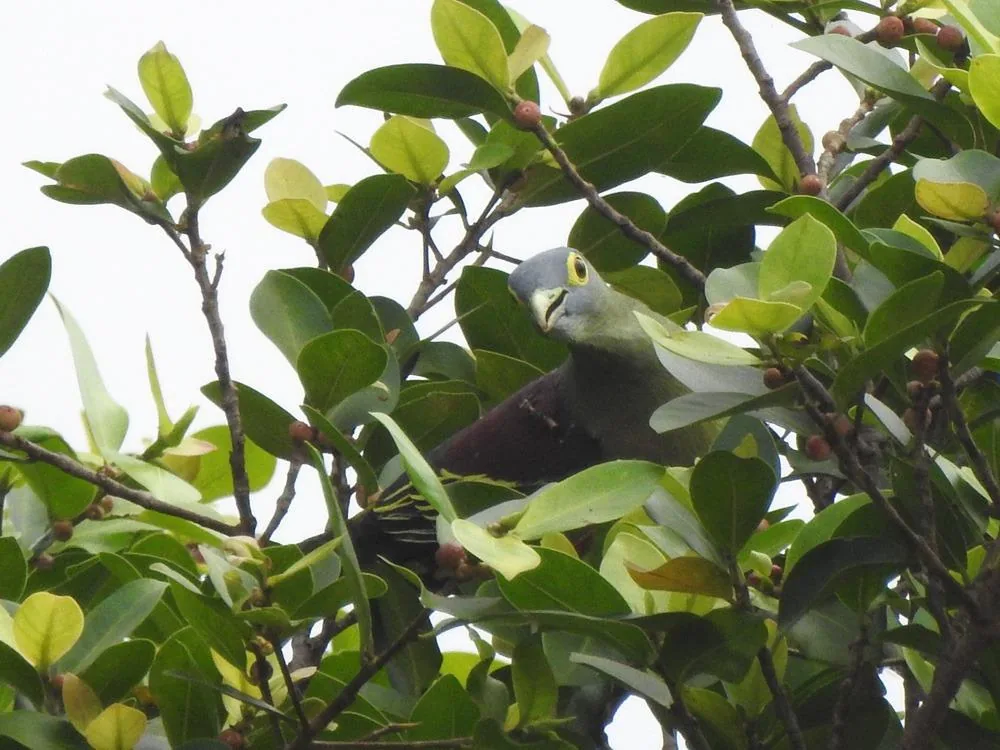
| 47 | Green Imperial Pigeon | Ducula aenea | * | |||||||
| 48 | Little Egret | Egretta garzetta | * | * | ||||||
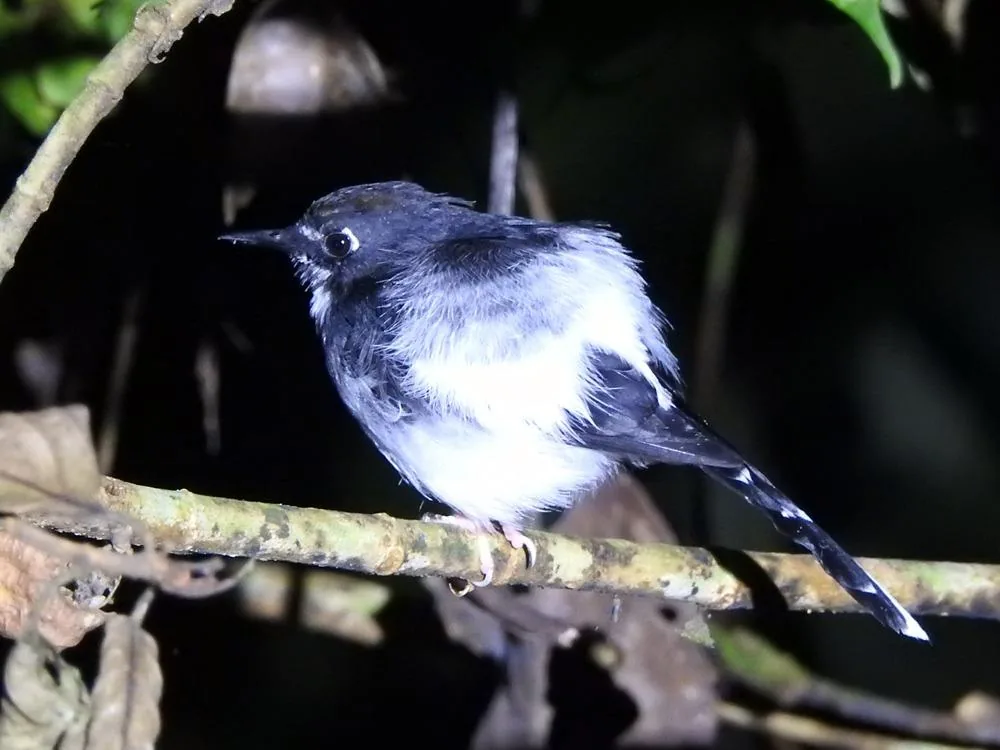
| 49 | White-crowned Forktail | Enicurus leschenaulti | * | |||||||
| 50 | Sunda Forktail | Enicurus velatus | * | |||||||
| 51 | Indigo Flycatcher | Eumyias indigo | * | |||||||
| 52 | Black-and-yellow Broadbill | Eurylaimus ochromalus | * | |||||||
| 53 | Little Pied Flycatcher | Ficedula westermanni | ||||||||
| 54 | Green Junglefowl | Gallus varius | * | * | ||||||
| 55 | Barred Dove | Geopelia maugeus | * | |||||||
| 56 | Zebra Dove | Geopelia striata | * | * | ||||||
| 57 | Golden-bellied Gerygone | Gerygone sulphurea | * | |||||||
| 58 | Javan Kingfisher | Halcyon cyanoventris | * | |||||||
| 59 | White-throated Kingfisher | Halcyon smyrnensis | * | * | * | * | ||||
| 60 | Orange-breasted Trogon | Harpactes oreskios | * | |||||||
| 61 | Gray-and-buff Woodpecker | Hemicircus sordidus | * | |||||||
| 62 | Whiskered Treeswift | Hemiprocne comata | * | |||||||
| 63 | Gray-rumped Treeswift | Hemiprocne longipennis | * | * |
| 64 | Black-winged Flycatcher-shrike | Hemipus hirundinaceus | * | * | ||||||
|---|---|---|---|---|---|---|---|---|---|---|
| 65 | Barn Swallow | Hirundo rustica | * | |||||||
| 66 | Pacific Swallow | Hirundo tahitica | * | |||||||
| 67 | Javan Banded Pitta | Hydrornis guajana | * | * | ||||||
| 68 | Black-naped Monarch | Hypothymis azurea | * | * | ||||||
| 69 | Black Eagle | Ictinaetus malaiensis | * | |||||||
| 70 | Javan Bulbul | Ixos virescens | * | |||||||
| 71 | Buffy Fish Owl | Ketupa ketupu | * | |||||||
| 72 | White-shouldered Triller | Lalage sueurii | * | |||||||
| 73 | Long-tailed Shrike | Lanius schach | * | |||||||
| 74 | Javan Munia | Lonchura leucogastroides | * | * | * | |||||
| 75 | White-rumped Munia | Lonchura striata | * | |||||||
| 76 | Blue-crowned Hanging-parrot | Loriculus galgulus | * | |||||||
| 77 | Horsfield's Babbler | Malacocincla sepiaria | * | |||||||
| 78 | Flame-fronted Barbet | Megalaima armillaris | * | |||||||
| 79 | Coppersmith Barbet | Megalaima haemacephala | * | * | ||||||
| 80 | Straited Grassbird | Megalurus palustris | * | |||||||
| 81 | Orange-footed Megapod | Megapodius reinwardt | * | |||||||
| 82 | Chestnut-headed Bee-eater | Merops leschenaulti | * | |||||||
| 83 | Blue-tailed Bee-eater | Merops philippinus | * | * | ||||||
| 84 | Blue-throated Bee-eater | Merops viridis | * | |||||||
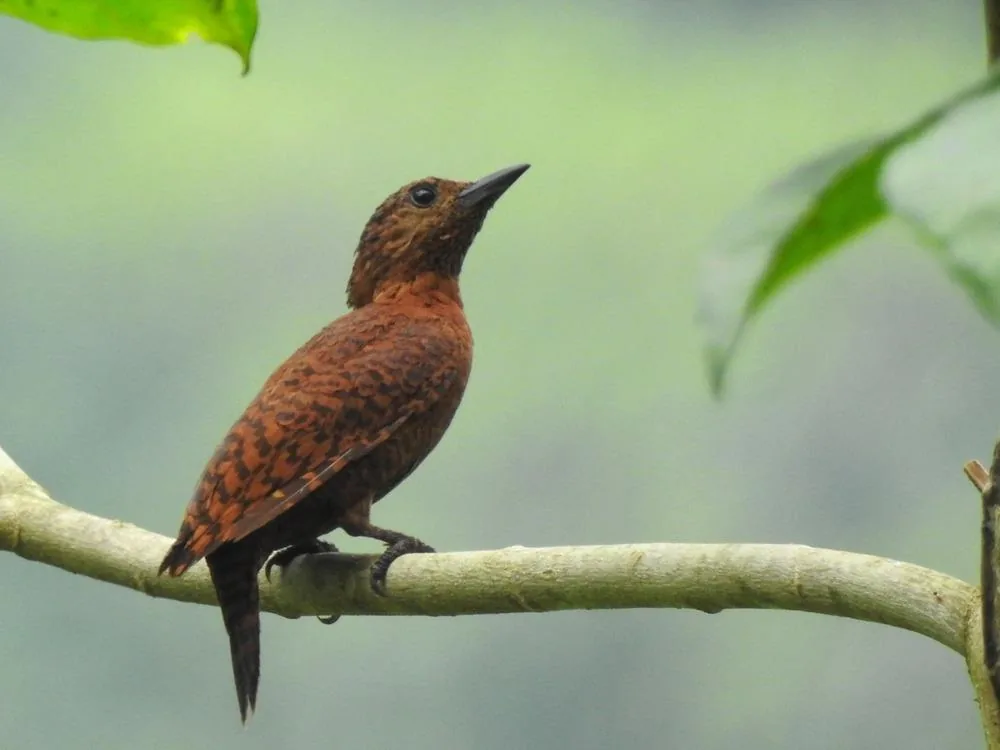
| 85 | Rufous Woodpecker | Micropternus brachyurus | * | |||||||
| 86 | Milky Stork | Mycteria cinerea | * | |||||||
| 87 | Blue Whislting-thrush | Myophonus caeruleus | * | |||||||
| 88 | Javan Whistling-thrush | Myophonus glaucinus | * | |||||||
| 89 | Eyebrowed Wren-babbler | Napothera epilepidota | * | |||||||
| 90 | Brown Boobook | Ninox scutulata | * | |||||||
| 91 | Javan Hawk-eagle | Nisaetus bartelsi | * | |||||||
| 92 | Black-naped Oriole | Oriolus chinensis | * | * | ||||||
| 93 | Ashy Tailorbird | Orthotomus ruficeps | * | |||||||
| 94 | Olive-backed Tailorbird | Orthotomus sepium | * | * | ||||||
| 95 | Sunda Scops Owl | Otus lempiji | * | * | ||||||
| 96 | Rusty-breasted Whistler | Pachycephala fulvotincta | * | * | ||||||
| 97 | Cinerous Tit | Parus cinereus | * | * | ||||||
| 98 | Eurasian Tree Sparrow | Passer montanus | * | * | * | |||||
| 99 | Black-capped Babbler | Pellorneum capistratoides | * | |||||||
| 100 | Small Minivet | Pericrocotus cinnamomeus | * | |||||||
| 101 | Sunda Minivet | Pericrocotus miniatus | * | |||||||
| 102 | Scarlet Minivet | Pericrocotus speciosus | * |
| 103 | Little Black Cormorant | Phalacrocorax sulcirostris | * | |||||||
|---|---|---|---|---|---|---|---|---|---|---|
| 104 | Chestnut-bellied Malkoha | Phaenicophaeus sumatranus | * | |||||||
| 105 | Helmeted Frairbird | Philemon buceroides | * | |||||||
| 106 | Crismon-winged Woodpecker | Picus puniceus | * | |||||||
| 107 | Lineated Barbet | Psilopogon lineatus | * | |||||||
| 108 | Red-breasted Parakeet | Psittacula alexandri | * | |||||||
| 109 | Sooty-headed Bulbul | Pycnonotus aurigaster | * | * | * | |||||
| 110 | Asian Red-eyed Bulbul | Pycnonotus brunneus | ||||||||
| 111 | Yellow-vented Bulbul | Pycnonotus goiavier | * | * | * | * | ||||
| 112 | Raffles's malkoha | Rhinortha chlorophaea | ||||||||
| 113 | Brown-capped Fantail | Rhipidura diluta | * | |||||||
| 114 | Malaysian Pied-fantail | Rhipidura javanica | * | * | ||||||
| 115 | Ruby-throated Bulbul | Rubigula dispar | * | |||||||
| 116 | Blue Nuthatch | Sitta azurea | * | |||||||
| 117 | Velvet-fronted Nuthatch | Sitta frontalis | * | |||||||
| 118 | Spotted Dove | Spilopelia chinensis | * | * | * | * | * | |||
| 119 | Crested Serpent-eagle | Spilornis cheela | * | * | ||||||
| 120 | White-breasted Babbler | Stachyris grammiceps | * | |||||||
| 121 | Sunda Collared-dove | Streptopelia bitorquata | * | |||||||
| 122 | Collared Kingfisher | Todiramphus chloris | * | * | * | |||||
| 123 | Sacred Kingfisher | Todiramphus sanctus | * | |||||||
| 124 | Orange-breasted Green Pigeon | Treron bicinctus | * | |||||||
| 125 | Gray-cheeked Green Pigeon | Treron griseicauda | * | |||||||
| 126 | Pink-necked Green Pigeon | Treron vernans | * | |||||||
| 127 | Wood Sandpiper | Tringa glareola | * | |||||||
| 128 | Red-billed Malkoha | Zanclostomus javanicus | * | |||||||
| 129 | Sunda Thrush | Zoothera andromedae | * | |||||||
| 130 | Yellow-spectacled White-eye | Zosterops wallacei | * |
Angke Kapuk (ANG) / Jakarta (JAK) / Gunung Lueser (GNL) / Bali Barat (BAL) / Komodo Island (KOM) / Gunung Halimum (GNH) / Gunung Salak (GNS) / Cikaray Cave (CIK)
| Common Name | Binominal Name | ANG | JAK | GNL | BAL | KOM | GNH | GNS | CIK | |
|---|---|---|---|---|---|---|---|---|---|---|
| 1 | Western Mangrove Cat Snake | Boiga melanota | * | |||||||
| 2 | Javan Bent-toed Gecko | Cyrtodactylus marmoratus | * | |||||||
| 3 | Kuhl's Angelhead Lizard | Gonocephalus kuhlii | * | * | ||||||
| 4 | Puff-faced Water Snake | Homalopsis buccata | * |
| 5 | Sumatran Pit Viper | Trimeresurus sumatranus | * | |||||||
|---|---|---|---|---|---|---|---|---|---|---|
| 6 | Komodo Dragon | Varanus komodoensis | * | |||||||
| 7 | Asian Water Monitor | Varanus salvator | * | * | * |
5 Sumatran Pit Viper Trimeresurus sumatranus * 6 Komodo Dragon Varanus komodoensis * 7 Asian Water Monitor Varanus salvator * * *
Amphibians (* = heard or signs only / CT = camera trap only)
Angke Kapuk (ANG) / Jakarta (JAK) / Gunung Lueser (GNL) / Bali Barat (BAL) / Komodo Island (KOM) / Gunung Halimum (GNH) / Gunung Salak (GNS) / Cikaray Cave (CIK)
| Common Name | Binominal Name | ANG | JAK | GNL | BAL | KOM | GNH | GNS | CIK | |
|---|---|---|---|---|---|---|---|---|---|---|
| 1 | Javan Spadefoot Toad | Megophrys montana | * | |||||||
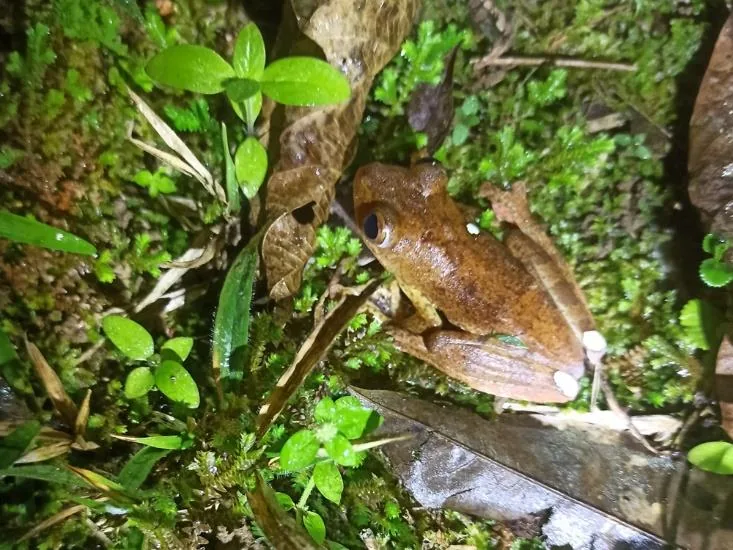
| 2 | Harlequin Tree Frog | Rhacophorus pardalis | * |
1 Javan Spadefoot Toad Megophrys montana * 2 Harlequin Tree Frog Rhacophorus pardalis *
Places visited in this report
This trip report was written by Royle Safaris and is reproduced with their permission, with their photographs. See Royle Safaris Indonesia tours for their trips and more reports. Back to resources.